Business news and discussion on TalkFuse.
PM urged to uphold climate pledges made as mayor and ban new North Sea oil drilling
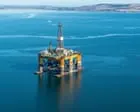
Leading climate scientists who helped Andy Burnham design Greater Manchester's carbon neutral by 2038 plan have written to him urging him, as prime minister, to reject new North Sea oil and gas drilling. The intervention comes amid weekend reports suggesting his government could approve development at the Jackdaw and Rosebank oilfields, a move the academics warn would signal to the world that the UK is abandoning its climate commitments and would sharply contradict the principles Burnham championed while mayor.
The letter, from Professor Kevin Anderson and colleagues at the University of Manchester's Tyndall Centre, notes that Labour's manifesto ruled out new oil and gas licences, though Jackdaw and Rosebank were already in the approval system before the last election after being cleared under the Conservatives and then halted by legal action requiring fuller climate impact assessment. A consultation on Jackdaw closes on 8 August. The scientists, who produced the carbon budget analysis behind Burnham's Manchester pledge, argue emissions must fall 8% annually to keep within the Paris Agreement's 2C limit, and point to this summer's wildfires and heatwaves, including UK moorland fires, as evidence the crisis is intensifying rather than easing.
In short
- Scientists urge PM Burnham to block new North Sea oil drilling
- Jackdaw and Rosebank oilfields face approval despite Labour's manifesto pledge
- Academics cite worsening heatwaves and wildfires as urgent warning signs
Steelman: both sides, in good faith
The strongest fair case each way — we don't pick a winner.
The case for
Scientific consensus demands steep, immediate emissions reductions to meet Paris Agreement targets, placing particular responsibility on developed nations like the UK to lead by example. Approving new North Sea oil drilling directly contradicts Labour's manifesto commitments, the government's net-zero pledge, and the climate science Burnham embraced as Manchester mayor, undermining both domestic credibility and global climate diplomacy. With climate impacts accelerating visibly—as recent wildfires demonstrate—halting new fossil fuel production is a material contribution to emissions reduction.
The case against
The UK cannot transition to renewables overnight without risking energy security or dependence on imported fossil fuels from nations with weaker environmental standards, making managed domestic production a pragmatic necessity during the transition period. New North Sea drilling preserves jobs, tax revenue, and industrial capacity essential for building renewables infrastructure, whilst unilaterally halting approved projects simply shifts production elsewhere without reducing global emissions. Maintaining regulated domestic production allows orderly transition management and control over environmental and labour standards, rather than creating economic shock that could destabilise the broader net-zero agenda.
Explained simply
Andy Burnham, now prime minister, was previously mayor of Greater Manchester, where he developed a plan to make the region carbon neutral by 2038. Climate scientists at the University of Manchester played a key role in designing this plan, producing the emissions analysis that underpinned the targets.
The government is currently deciding whether to permit two North Sea oilfields—Jackdaw and Rosebank—to proceed with development. These projects were already in the approval process before the last election but have been held up whilst authorities conducted more detailed climate impact assessments.
Approving new oil and gas drilling would increase overall emissions and could affect whether the UK meets its international climate targets, which scientists say require substantial annual emissions cuts. The scientists who worked with Burnham on his Manchester climate plan have drawn attention to the potential contradiction between approving these projects and the climate commitments he previously championed.
Business Climate Europe Research Science Software Technology World