World news and discussion on TalkFuse.
Thabo Rametsi Unveiled As Apartheid Era Music Legend Hugh Masekela In First Look Image For Bill Condon’s ‘The Road Home’
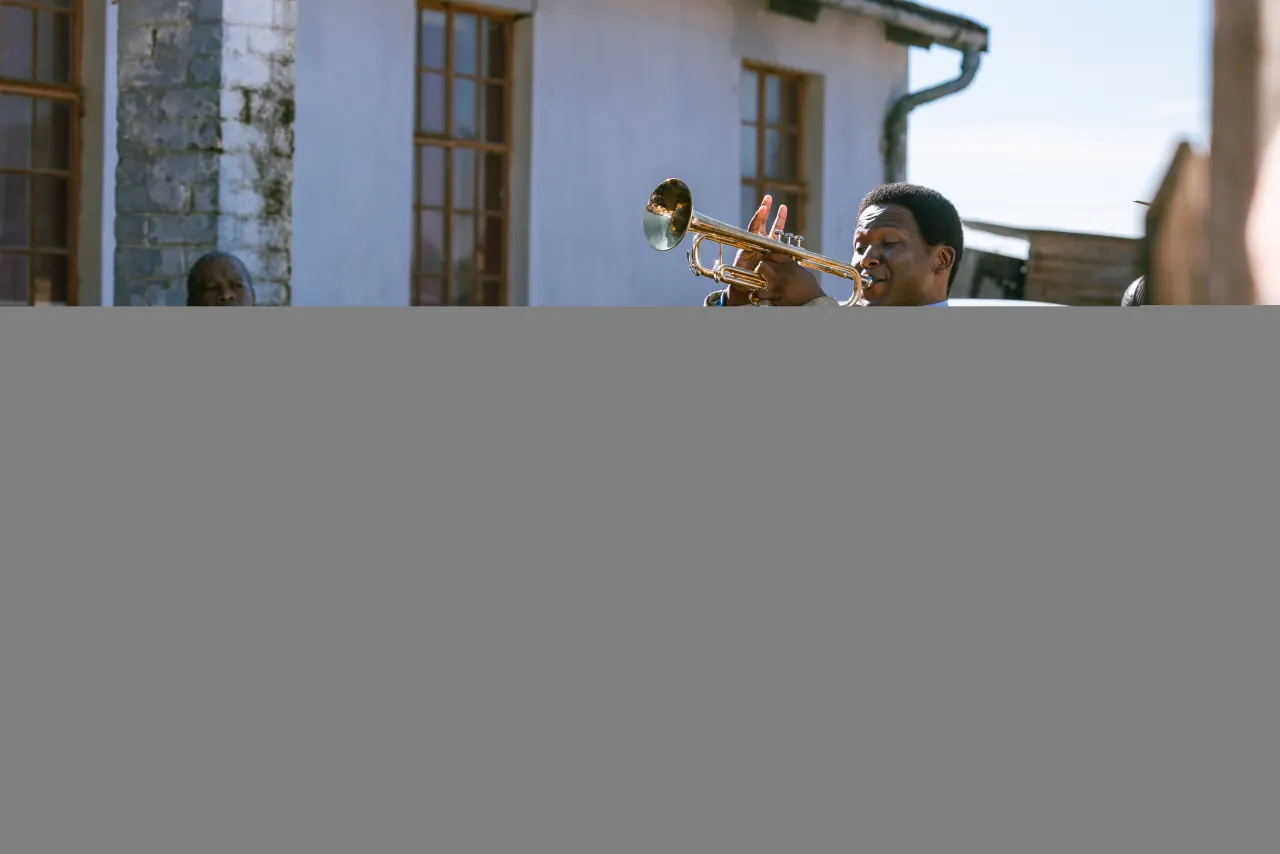
South African actor Thabo Rametsi has been unveiled in a first-look image as anti-apartheid trumpeter and activist Hugh Masekela in Bill Condon's upcoming film The Road Home, currently shooting in South Africa. The film, backed by Canal+, Studiocanal and Flora Film alongside South African co-producer Blue Ice, dramatises Masekela's decades in exile following the 1960 Sharpeville Massacre and the tensions that arose when the Anti-Apartheid Movement, led by Archbishop Trevor Huddleston, boycotted Paul Simon over his Graceland album for allegedly breaching the UN's cultural boycott.
Rametsi, also serving as an executive producer, joins a cast that includes Guy Pearce as Huddleston, Johnny Flynn as Simon and Cynthia Erivo as Miriam Makeba, Masekela's close collaborator. The film explores how Masekela sided with Makeba over Huddleston, joining forces to form the "Graceland band" and use music as a tool in the struggle against apartheid. Condon directs from a script by Michael Bronner, with production led by Laura Bickford, Bronner, Greg Yolen and Anant Singh.
In short
- First-look image shows Thabo Rametsi as Hugh Masekela in new biopic
- Guy Pearce, Johnny Flynn and Cynthia Erivo also star in film
- Story centres on Paul Simon's Graceland boycott controversy
Steelman: both sides, in good faith
The strongest fair case each way — we don't pick a winner.
The case for
The cultural boycott of South Africa was a morally necessary stand against apartheid, drawing an unambiguous line that the regime and all its works were beyond the pale of normal engagement. Isolation was one of the few powerful tools available to those without political power, and maintaining this collective stance reinforced the absolute rejection of apartheid essential to eventual victory.
The case against
Music offered a more effective challenge to apartheid than isolation by celebrating South African artistry worldwide and demonstrating that unity could flourish through creative collaboration. Rather than silencing South African musicians, the Graceland project amplified their voices and allowed them to exercise agency in their resistance whilst advancing the anti-apartheid cause more powerfully than withdrawal alone could achieve.
Explained simply
Hugh Masekela was a renowned South African trumpeter and activist who fought against apartheid, the country's system of racial segregation. After the 1960 Sharpeville Massacre, in which police killed dozens of anti-apartheid protesters, Masekela fled South Africa and spent decades in exile, using his music as a form of resistance.
Despite being united against apartheid, the anti-apartheid movement became divided over American musician Paul Simon's Graceland album, which was recorded in South Africa. Some activists, including Archbishop Trevor Huddleston, argued that the album breached a United Nations cultural boycott of the country, whilst others, including fellow South African singer Miriam Makeba, believed music could still be a tool for change and collaborated with Simon.
The upcoming film The Road Home dramatises this period and these tensions, exploring how Masekela chose to side with Makeba and join forces through music rather than follow Huddleston's stricter stance on the boycott. The film is directed by Bill Condon and is currently in production in South Africa.