Culture news and discussion on TalkFuse.
‘House of the Dragon’ Officially Takes Its Biggest Risk With a Major ‘Fire & Blood’ Book Change
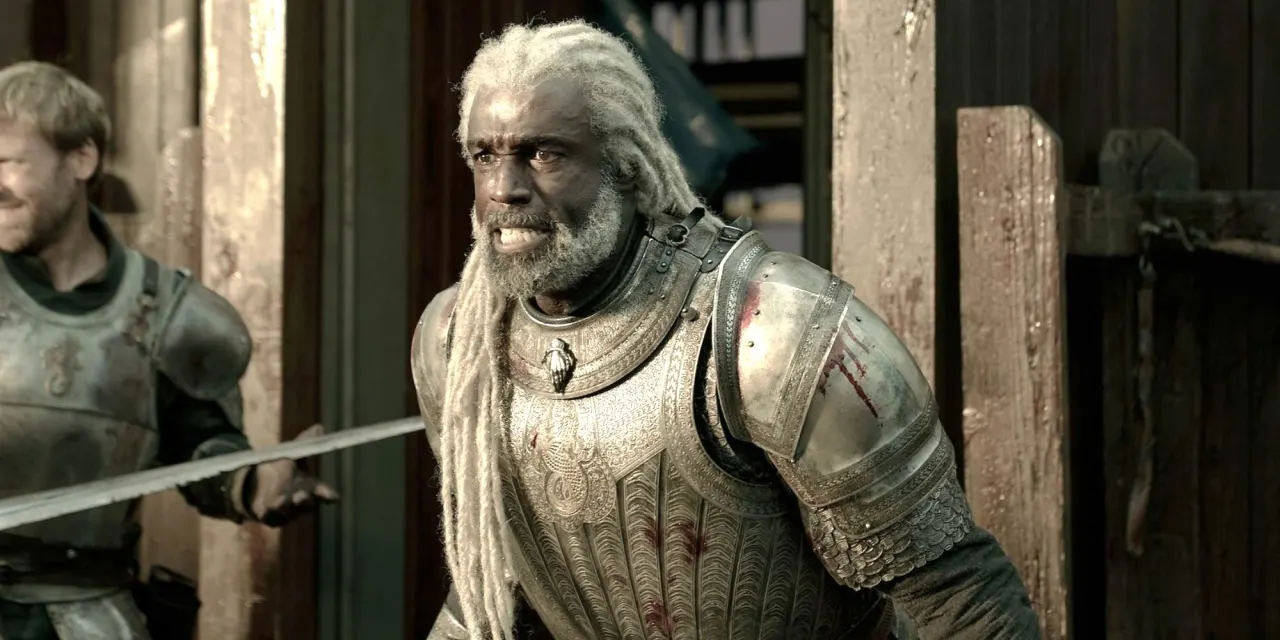
House of the Dragon's third season has taken its most significant departure yet from George R.R. Martin's source material, Fire & Blood, by having Corlys Velaryon captured by forces loyal to Ormund Hightower in Episode 6. This storyline has no equivalent in the book, leaving fans unable to predict the character's fate and marking one of the show's boldest breaks from its historical source text, following earlier changes to Alicent and Rhaenyra's relationship and Helaena's pregnancy timeline.
The episode sees Alyn attempt to persuade Corlys to return and support Rhaenyra, and Corlys does agree to send reinforcements to King's Landing. However, the plan is derailed when Jon Roxton, acting on behalf of Ormund Hightower, intervenes in retaliation for an assassination attempt on Rhaenyra, capturing Corlys and attacking his men. With Ormund's unpredictable temperament, Corlys's survival is left genuinely in doubt, though his removal from the narrative is expected to give greater focus to Alyn and Baela going forward.
In short
- Corlys Velaryon captured by Ormund Hightower's forces in Episode 6.
- Storyline invented for TV, with no equivalent in Fire & Blood.
- His fate is unclear, but absence may spotlight Alyn and Baela.
Steelman: both sides, in good faith
The strongest fair case each way — we don't pick a winner.
The case for
Television adaptation requires creative freedom to translate static prose narrative into dynamic visual storytelling. The divergence from Fire & Blood allows the show to generate genuine suspense and narrative uncertainty, even for readers familiar with the source material. Such risks demonstrate artistic ambition and prevent the adaptation from becoming merely mechanical recreation. Ultimately, the strength of the storytelling matters more than slavish adherence to source text.
The case against
House of the Dragon exists specifically to adapt Fire & Blood, and George R.R. Martin's narrative carries thematic weight and purpose that merits respect. Readers chose this series precisely to experience that particular story realised on screen. Significant deviations—particularly regarding major characters like Corlys—undermine the adaptation's integrity and risk distorting character arcs and themes that audiences invested in. Fidelity to source material represents the fundamental contract between creators and audience.
Explained simply
House of the Dragon is a television series that adapts George R.R. Martin's Fire & Blood, a fictional history of Westeros that details a civil war called the Dance of the Dragons. The book chronicles events in the fantasy world before the events of Game of Thrones, depicting conflicts between rival branches of the Targaryen royal family fighting for control of the Iron Throne.
The plot centres on various powerful families and individuals who must choose sides in this conflict, including Corlys Velaryon, a major lord whose military resources and strategic position make him important to either faction's chances of victory. His loyalties and decisions significantly shape the course of events in the war.
Television shows that adapt source material often make changes to how events unfold, whether for dramatic purposes, time constraints, or creative reasons. When a series strays from its source text, viewers who have read the book lose their ability to anticipate future plot developments, creating genuine uncertainty about character fates. Such departures can therefore fundamentally alter how audiences experience the adaptation.