Culture news and discussion on TalkFuse.
Baldur’s Gate 3 True Third-Person Camera Mod Goes Viral, Sparks Debate About Whether It Erases the Game’s Identity
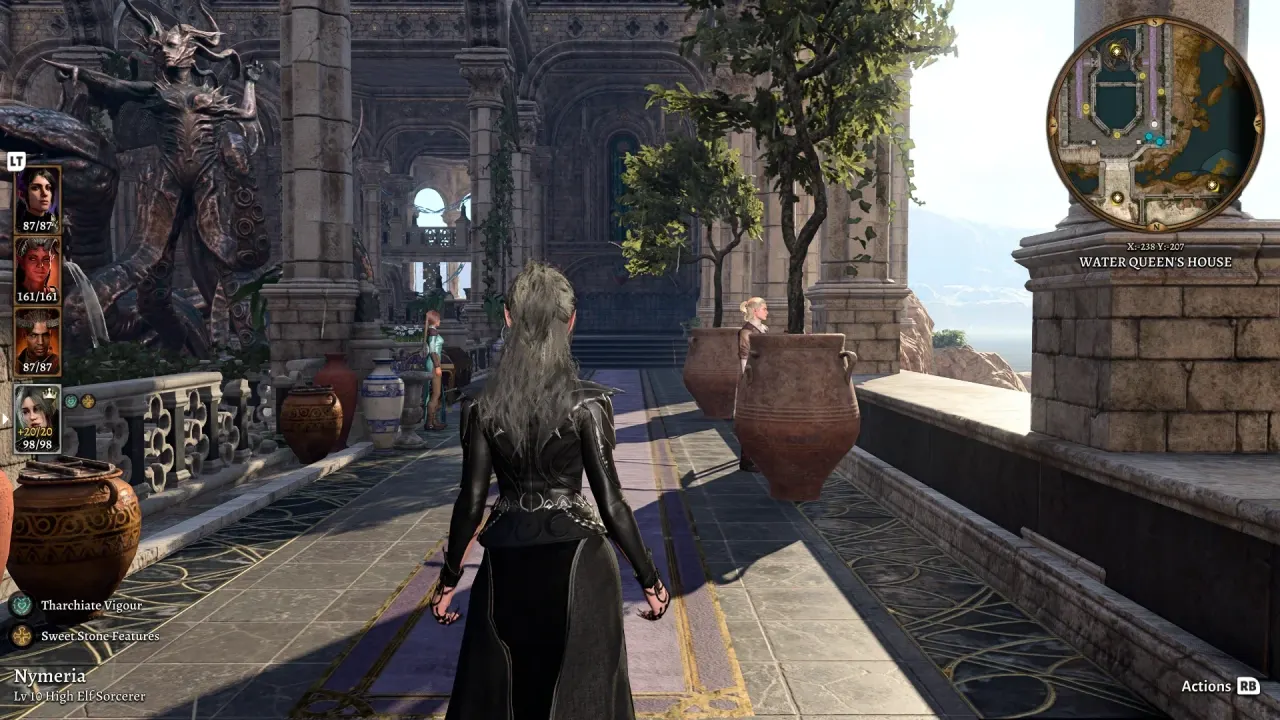
A mod for Baldur's Gate 3 that replaces the game's classic top-down camera with a modern over-the-shoulder third-person view has gone viral, prompting a heated debate among fans about whether such changes undermine the identity of the cRPG genre. The mod, created by Relysia and released on Nexus Mods earlier in July 2026, keeps the camera fixed closely to the player's character, with dynamic field-of-view adjustments while running and smooth transitions during actions such as spell-casting or jumping. While it is optional and does not affect those who prefer the default view, its popularity has reignited arguments over whether developer Larian should consider offering such perspectives in future titles, and whether doing so would dilute what makes the genre distinctive.
The mod gained widespread attention after the X account Brator News shared a showcase video on 24 July 2026, which has since amassed 3.9 million views. Reaction has been sharply divided: critics argue that camera perspective is fundamental to a game's design, affecting everything from level layout to combat and animation, and worry that normalising third-person views could push cRPGs further towards mainstream action-RPG conventions. Supporters, meanwhile, say they have enjoyed playing this way for some time and want Larian to take player demand for the option seriously, pointing to the popularity of related mods such as WASD movement and Native Camera Tweaks as evidence of appetite for change.
In short
- Modder Relysia's third-person camera mod for Baldur's Gate 3 goes viral.
- Showcase video hit 3.9 million views, sparking fierce fan debate.
- Critics fear it erodes cRPG identity; others want Larian to add it officially.
Steelman: both sides, in good faith
The strongest fair case each way — we don't pick a winner.
The case for
Those who worry about camera changes argue that perspective is not merely cosmetic but foundational to cRPG design, affecting level layout, sight lines, combat visibility, and the pacing that defines the genre. They contend that the isometric view is central to what distinguishes cRPGs from mainstream action-RPGs, and that normalising third-person perspectives would push the genre towards homogenised conventions that have already consumed other once-distinctive styles. From this view, player demand for a mod, however popular, does not necessarily justify architectural changes that could compromise the game's intentional design philosophy.
The case against
Supporters of such camera options emphasise that mods like this already exist and are appreciated by many, and that offering them officially as player-selectable options harms no one who prefers the original view. They point to the popularity of this mod alongside others like WASD movement and camera tweaks as evidence of genuine player demand, and argue that modern game design increasingly accommodates player preference and accessibility without eroding identity. From this perspective, allowing optional third-person perspectives respects player agency and accessibility needs whilst leaving the default experience untouched for those who value it.
Explained simply
Baldur's Gate 3 is a fantasy role-playing game developed by Larian Studios that uses a top-down camera view, showing the action from above. This perspective style has been standard for computer role-playing games for decades and is considered central to how the genre functions.
A recently released optional user-created modification allows players to switch to an over-the-shoulder camera angle, positioning the view behind their character. The modification does not affect anyone who prefers the original view, and other similar mods that change the game's perspective have also grown popular.
The popularity of such modifications has sparked debate over whether changing how a game is viewed fundamentally alters what the game is. Some argue that camera perspective affects core design elements like level layout and combat, whilst others argue that offering players choices about how to experience a game simply reflects what some players prefer.
Art Culture Entertainment Gaming Software Technology Trending Weird & Viral