Culture news and discussion on TalkFuse.
Why Brexit is back on the table under Burnham
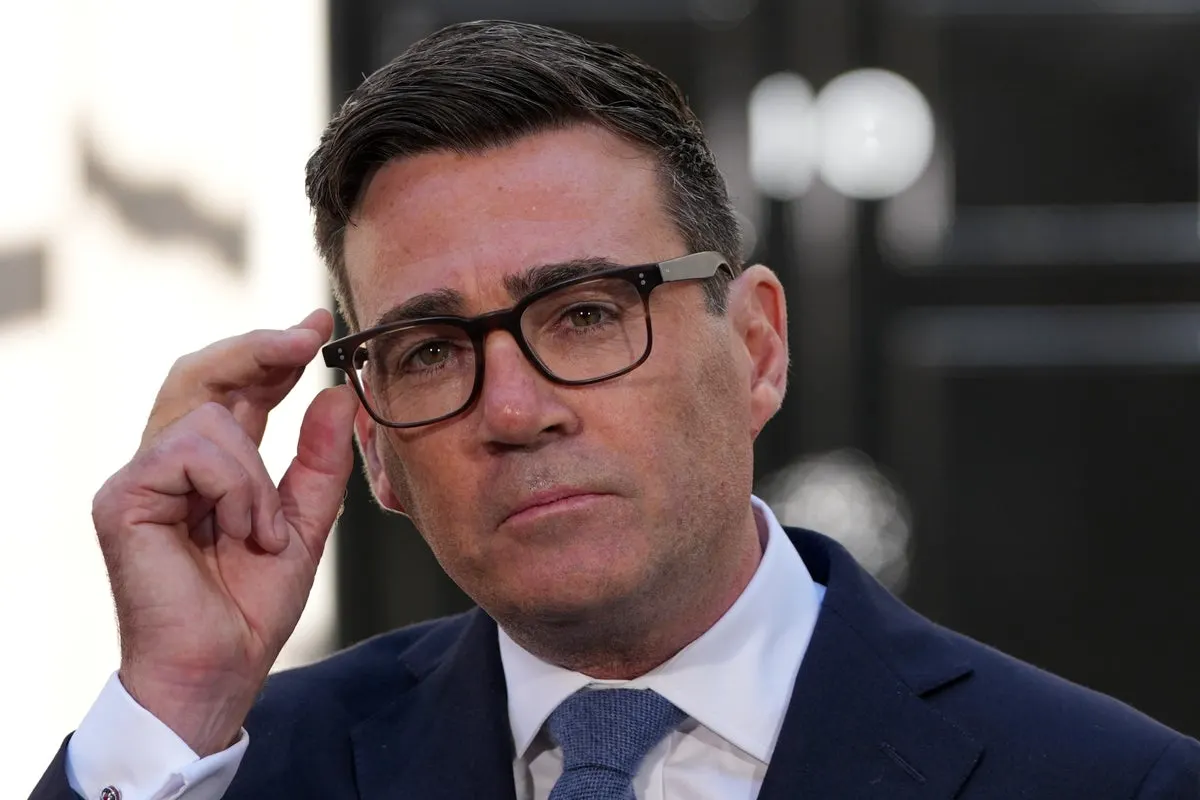
Andy Burnham's new European affairs minister, Hamish Falconer, has signalled that the UK could go further on rebuilding ties with the EU than Sir Keir Starmer's previous "reset" allowed, and has left open the possibility of eventually rejoining the bloc. This marks a shift from the tight red lines set by the last government, which explicitly ruled out rejoining the EU, its single market, its customs union, or even an ad hoc customs union, and suggests Burnham's administration may pursue a bolder approach to relations with Brussels.
Falconer, a former diplomat, made the comments in a Sky News interview, saying "this is a changed world" and that he wants to "do more" on issues including food and drink imports, border controls and electricity cooperation, after a summit to sign a reset deal was postponed this month following the change of prime minister. While immediate rejoining is not on the table, Falconer indicated it could feature as a manifesto commitment at the next election, echoing Burnham's own stated wish last September to rejoin the EU. Polling shows a majority now favour rejoining, and former prime minister Sir John Major has pointed to annual losses of £100bn in trade and £40bn in tax revenue from Brexit, though other ministers, including chancellor John Healey, continue to champion "buying British" and Brexit freedoms.
In short
- New minister Hamish Falconer hints UK could eventually rejoin the EU
- Marks departure from Labour's earlier strict anti-rejoin red lines
- Major cites £100bn trade and £40bn tax revenue losses from Brexit
Steelman: both sides, in good faith
The strongest fair case each way — we don't pick a winner.
The case for
Proponents point to substantial economic costs—£100bn annual trade losses and £40bn in tax revenue—alongside the practical benefits of coordinated standards, border procedures and energy cooperation. They argue that public opinion has measurably shifted toward rejoining, and that the UK's strategic interests in a transformed geopolitical landscape now favour closer European integration and the prosperity that membership could restore.
The case against
Defenders of Brexit stress that the 2016 referendum was a democratic mandate commanding respect, and that the regulatory freedoms and policy autonomy gained have genuine value beyond economic metrics. They contend that trade statistics reflect complex global conditions rather than Brexit alone, and that abandoning the independence voters chose would betray the democratic self-determination that underpinned the Leave campaign.
Explained simply
Britain left the European Union in 2020 following a referendum and subsequent government negotiations. After the departure, successive governments insisted that rejoining was not a possibility, setting firm red lines against any return to EU membership or its markets.
Under Prime Minister Andy Burnham's new administration, this position is changing. Burnham himself has expressed interest in rejoining the EU, and his European affairs minister, Hamish Falconer, has indicated the government may pursue a more open approach to relations with Brussels than the previous administration allowed.
Polling shows that most British people now favour rejoining the EU, and economists have pointed to significant economic costs from leaving, including losses to trade and tax revenue. However, some within government still argue that Brexit has brought freedoms and opportunities that should be preserved, meaning there remains genuine disagreement about the best path forward.
Art Culture Europe Government Politics World