World news and discussion on TalkFuse.
Trump’s Iran war thrown into chaos over fears Putin and Xi are plotting chilling next move
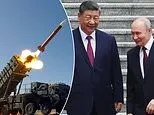
An article from the Daily Mail reports on concerns that the conflict involving Donald Trump's approach to Iran could be complicated by Russia and China, with fears that President Vladimir Putin and President Xi Jinping may be planning a significant move in response. The piece suggests that separate global flashpoints, including the wars linked to Iran and Ukraine, could risk becoming intertwined into a broader confrontation, raising the stakes for US foreign policy.
The provided article text is largely made up of unrelated Daily Mail headlines and site navigation rather than the full story content, so specific details, quotes or numbers from the report are not available. The only substantive fragment indicates the piece touches on fears that the Iran and Ukraine conflicts "could merge into one," pointing to broader anxiety about escalating great-power tensions involving Moscow and Beijing.
In short
- Report raises fears over Putin and Xi's next moves amid Trump's Iran conflict
- Concerns that Iran and Ukraine wars could merge into one crisis
- Full article detail unavailable; only a headline and fragment were provided
Steelman: both sides, in good faith
The strongest fair case each way — we don't pick a winner.
The case for
The prospect of Russia and China coordinating their actions represents a genuine strategic threat that cannot be dismissed. Authoritarian powers have shown historical willingness to cooperate against perceived Western interests, and the current geopolitical moment—with simultaneous tensions in Ukraine, Iran, and the broader Indo-Pacific—creates conditions where such coordination becomes more plausible. Policymakers must take seriously the risk that isolated approaches to regional conflicts could leave the US unprepared for scenarios where adversaries act in concert, potentially overwhelming American capacity to respond effectively across multiple theatres.
The case against
The emphasis on a hypothetical merger of conflicts risks inflating speculative dangers into policy-driving fears. Russia and China have divergent regional interests and historically limited coordination outside declarative rhetoric; the notion that they would synchronise major military actions is not clearly supported by evidence. Rather than allowing worst-case theorising about great-power coordination to drive strategy, policymakers should address concrete regional issues on their merits—whether Iran's actions, Ukraine's security, or Indo-Pacific stability—using tailored approaches that respond to actual threats rather than becoming paralysed by fear of scenarios that may never materialise.
Explained simply
The United States has long maintained a hostile relationship with Iran, marked by sanctions, military presence, and competition for influence across the Middle East. Donald Trump's administration pursued a particularly aggressive Iran policy, including withdrawing from an international agreement that limited Iran's nuclear programme and imposing severe economic sanctions.
Russia and China are major powers with strategic interests in the Middle East who have historically positioned themselves to counter American influence. Both countries maintain diplomatic and economic ties with Iran and have shown willingness to coordinate with each other on shared strategic concerns.
The underlying worry is that separate regional crises could become connected into a larger confrontation between major world powers rather than remaining isolated conflicts. This would complicate diplomatic efforts and significantly increase the risks of broader escalation.
Americas Business Markets Middle East World