Iran says it controls Strait of Hormuz after weekend pause in strikes
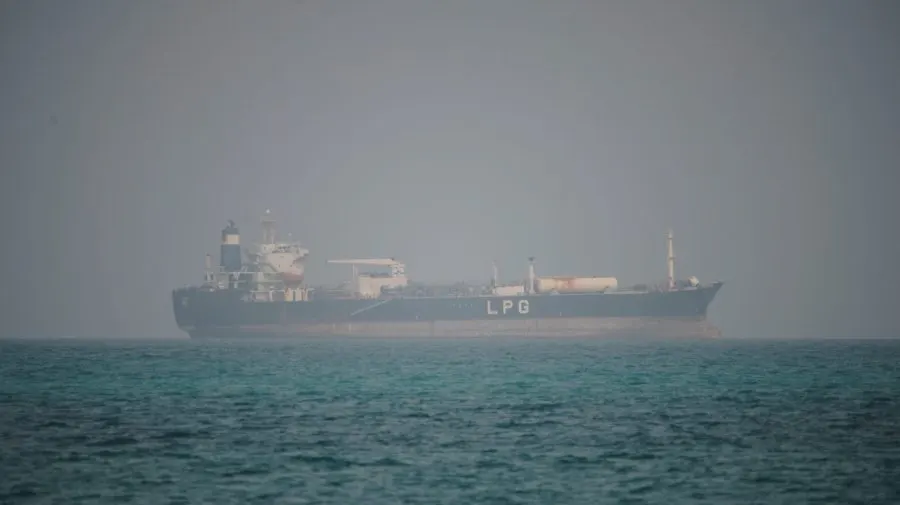
Iran said it remains in control of the Strait of Hormuz and is not seeking renewed peace talks with the United States, following a weekend pause in fighting. The claim is significant because the strait is a crucial route for global energy supplies, and continued Iranian control could keep shipping and oil markets vulnerable despite the halt in strikes.
President Trump paused a two-week US bombing campaign after 13 consecutive nights of attacks, reportedly amid concerns that military options and defensive weapons were being depleted. Iran said it would suspend its own attacks while the US pause continued, but state media claimed six vessels had been turned back for attempting to cross the strait without permission; Brent crude fell from above $100 a barrel last week to just under $90 as markets anticipated less disruption.
- Iran says it still controls the Strait of Hormuz.
- US and Iranian strikes have paused temporarily.
- Oil prices fell on hopes of resumed supply.
New here? Start with this
The Strait of Hormuz is a narrow waterway between Iran and Oman that connects the Persian Gulf to the wider world. About one-fifth of the world's oil supply passes through the strait daily, along with significant quantities of liquefied natural gas. It is one of the world's most strategically important energy chokepoints.
The United States and Iran have been rivals for decades over regional influence, Iran's nuclear programme, and competing interests across the Middle East. In recent weeks, the two countries have escalated their conflict with military strikes against each other. This marks a significant intensification of their longstanding antagonism.
The importance of the strait means that the US-Iran conflict has global consequences. Disruptions to shipping through this waterway can affect energy prices worldwide. This explains the international significance of a regional dispute.
Both sides, in good faith
The strongest fair case each way — we don't pick a winner.
The case for
Iran can argue that as a coastal state controlling the Strait of Hormuz passage through its territorial waters, it has legitimate legal authority to regulate shipping, much as other nations do through their straits. The pause in strikes offers a genuine opportunity for de-escalation and reduced military conflict, which benefits regional stability and global security. Iran's suspension of attacks demonstrates goodwill, and managing the strait with greater oversight need not prevent peaceful, legitimate shipping—it is a measured assertion of sovereignty over a strategically important waterway.
The case against
The international principle of freedom of passage through straits is fundamental to global commerce and energy security, and Iran's actions—including turning back vessels attempting peaceful transit—constitute interference with international shipping rights that threaten the livelihoods and energy security of nations worldwide. The US view is that Iran's military strikes created this crisis in the first place, and a mere pause without genuine peace negotiations or renouncing future attacks leaves the underlying threat intact. Iran's claim to unilateral control of the strait is destabilising and deliberately creates uncertainty for global markets and commerce.