Culture news and discussion on TalkFuse.
Labour surge ahead in polls for first time in 16 months – but Burnham insists he would ‘rule out’ a general election
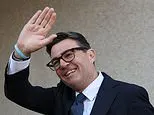
Labour has moved ahead in opinion polls for the first time in 16 months, according to reporting highlighted in the article, marking a notable shift in the party's political fortunes after a prolonged period trailing rivals. Greater Manchester Mayor Andy Burnham addressed the development but moved to dampen speculation of an early general election, insisting he would rule one out despite the improved standing.
Specific polling figures and methodology were not detailed in the available article text, which was dominated by unrelated Daily Mail headlines and sidebar content rather than substantive reporting on the poll findings. The piece does note wider context around Burnham, including separate reports of a proposed £18billion social care levy dubbed a "death tax" by Reform UK critics, concerns over potential council tax rises for southern homeowners, and internal Labour tension over a youth benefits crackdown.
In short
- Labour leads in polls for first time in 16 months
- Burnham rules out a general election despite the boost
- Comes amid Labour rows over social care costs and benefits
Steelman: both sides, in good faith
The strongest fair case each way — we don't pick a winner.
The case for
Labour's recovery to polling strength represents a moment when the party could justifiably seek a fresh electoral mandate from voters, capitalising on public backing to secure the strongest possible basis for its legislative agenda. There is merit in a confident government testing its support when circumstances favour it, rather than risk polling advantage eroding over time.
The case against
A government's responsibility is to govern effectively and deliver tangible improvements for citizens, not to pursue electoral opportunism. Burnham's position reflects the principle that frequent elections create institutional disruption and distraction from policy work; building a genuine record of achievement through sustained governance builds public trust more durably than tactical election calls.
Explained simply
Labour is one of Britain's two main political parties. For the past 16 months, it has consistently fallen behind in opinion polls measuring public support. Recent polling suggests this trend has reversed, with Labour now leading the others for the first time in this period.
Andy Burnham is the elected mayor of Greater Manchester and a prominent Labour politician. He has responded to the party's improved polling position by attempting to dispel talk of an imminent general election, saying he would rule one out. General elections in the UK normally take place every five years, though they can occasionally be called earlier.
Several significant political debates are shaping the current climate. These include disagreements over how to pay for social care for elderly and vulnerable people, with proposals for a new tax drawing criticism. Other contentious issues include potential council tax rises and tensions within Labour over welfare policies affecting younger voters.
Art Culture Elections Politics World