World news and discussion on TalkFuse.
More than 600 US military service members injured since Iran War began in February
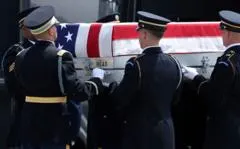
Since Trump ordered military strikes against Iran in February 2026, more than 624 US service members have sustained injuries, according to Pentagon figures released on 25 July. The conflict includes the initial Operation Epic Fury campaign, which accounted for 417 wounded personnel, whilst an additional 207 were injured in subsequent operations classified as "Overseas Operations." Despite a ceasefire agreement reached in April and a memorandum signed in June, both sides resumed military action, particularly during mid-July when three consecutive nights of Iranian missile and drone strikes killed four American soldiers, triggering reciprocal US attacks on Iranian military sites.
Controversy has erupted over how the Pentagon reported casualty figures. The department reclassified four deceased soldiers into the newly established "Overseas Operations" category, which reduced the Operation Epic Fury death toll from 18 to 14 on a single day without prior announcement. Military leaders and Congress members criticised the unexplained reclassification as undermining accountability, whilst a Pentagon spokesman attributed the changes to "temporary data disruptions." The opacity of these statistical revisions has drawn particular scrutiny regarding the administration's transparency about both casualty numbers and the broader conflict narrative.
In short
- Over 624 US military personnel have been wounded since strikes against Iran began in February; 417 in the initial operation and 207 in subsequent operations.
- Pentagon reclassified four deceased soldiers to a newly created category, reducing the Operation Epic Fury death toll from 18 to 14, raising transparency concerns.
- After a June ceasefire agreement, fighting resumed in mid-July with 13 consecutive nights of reciprocal strikes, followed by a three-day pause beginning Friday.
Steelman: both sides, in good faith
The strongest fair case each way — we don't pick a winner.
The case for
Military casualty figures are fundamental to democratic accountability for military decisions, and any reclassification must be transparently explained and timely announced. The Pentagon's reclassification of four deaths, which reduced Operation Epic Fury's reported toll from 18 to 14, was explained only vaguely as temporary data disruptions without substantive justification. When government unilaterally changes casualty counts, especially in ways that reduce the apparent cost of a controversial military operation, suspicion of intentional deception is inevitable unless the government provides clear, immediate explanation. Congress and the American public deserve straightforward transparency about how casualty figures are recorded and reported.
The case against
Complex government systems managing casualty information across multiple operations inevitably require reclassifying data as information is corrected, systems integrate, or operational structures shift; such administrative adjustments do not hide casualties but rather reorganise how they are counted. No personnel were removed from casualty rolls—they were reclassified administratively, a distinction that matters for operational analysis even if it may appear suspicious to outside observers. Demanding public announcements and detailed justifications for every internal reclassification would impede necessary administrative functions, create constant uncertainty about preliminary data, and distract from the substantive reality that all losses remain fully acknowledged within military records. The focus should be on whether the total casualty count is accurate, not on administrative categorisations.
Explained simply
The United States and Iran have been engaged in military conflict since February 2026, when President Trump ordered strikes against Iranian military targets. Although a ceasefire agreement was reached in April and a memorandum was signed in June, the two countries resumed military operations, particularly in mid-July when Iranian missile and drone attacks killed four American service members, prompting swift US retaliation.
American forces have suffered significant casualties since the conflict began. More than 624 service members have been wounded, with the largest share occurring during the initial Operation Epic Fury campaign, which resulted in 417 injuries. An additional 207 service members were hurt in subsequent operations.
The Pentagon has faced criticism from military leaders and members of Congress over how it has reported casualty figures. The department has reclassified some casualties between operational categories without public explanation. This has raised questions about the accuracy and transparency of information being provided regarding the conflict.