Science news and discussion on TalkFuse.
Yellowstone tourists get dangerously close to a resting bison in shocking nature video
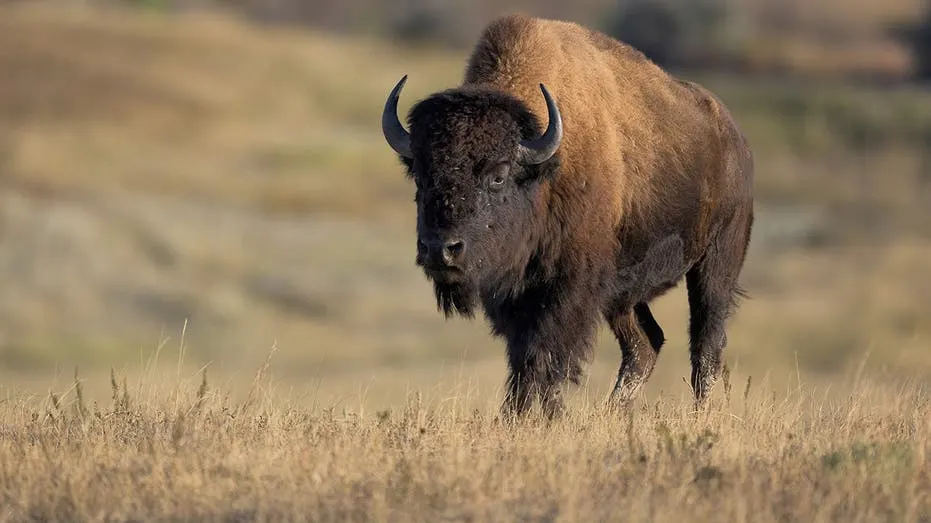
Yellowstone National Park is experiencing a troubling increase in dangerous encounters between tourists and bison herds. Recent incidents include a grandfather being violently thrown several feet into the air and a woman being dragged, demonstrating how rapidly these massive animals respond when they perceive a threat from visitors who approach too closely.
The underlying problem stems from visitors fundamentally misunderstanding how wild animals behave and lacking respect for their inherent danger. Tourists continue to approach bison for photographs and selfies, seemingly viewing them as docile subjects rather than wild creatures capable of causing serious harm. Observers point to visitors' consistent failure to appreciate the animals' unpredictable nature, enormous size, and surprising speed—treating park encounters as though they were in controlled environments rather than genuine wilderness.
In short
- Yellowstone and other national parks report surge in dangerous bison encounters as tourists approach too closely for photos
- Recent incidents include a grandfather thrown into the air and a woman dragged; experts warn bison are unpredictable and deceptively fast
- Visitors consistently underestimate wild animal danger, treating bison encounters as photo opportunities rather than serious wildlife risks
Explained simply
Bison are large wild animals that roam freely in Yellowstone National Park in the United States. When startled or feeling threatened, they can move extremely quickly and violently, causing serious injuries to people who get too close. Recent incidents have resulted in visitors being thrown and dragged by bison, demonstrating the real danger these encounters pose.
The problem occurs because many tourists do not fully understand how wild animals behave. Visitors frequently approach bison to take photographs or selfies, sometimes getting dangerously near to the animals. They often underestimate how quickly and unpredictably bison can react, treating the park as though it were a safe, controlled environment rather than a place where wild creatures can injure people.
This ongoing pattern of close encounters creates a difficult situation for park officials. Tourists who ignore safety guidelines put themselves at serious risk of injury, whilst the park must find ways to encourage visitors to maintain proper distance from the animals. The challenge lies in helping people understand that Yellowstone's wildlife, however appealing, remains genuinely wild and potentially dangerous.