Culture news and discussion on TalkFuse.
Mads Mikkelsen’s three-part psychological thriller is a spine-chilling masterpiece you’ll watch in 1 week
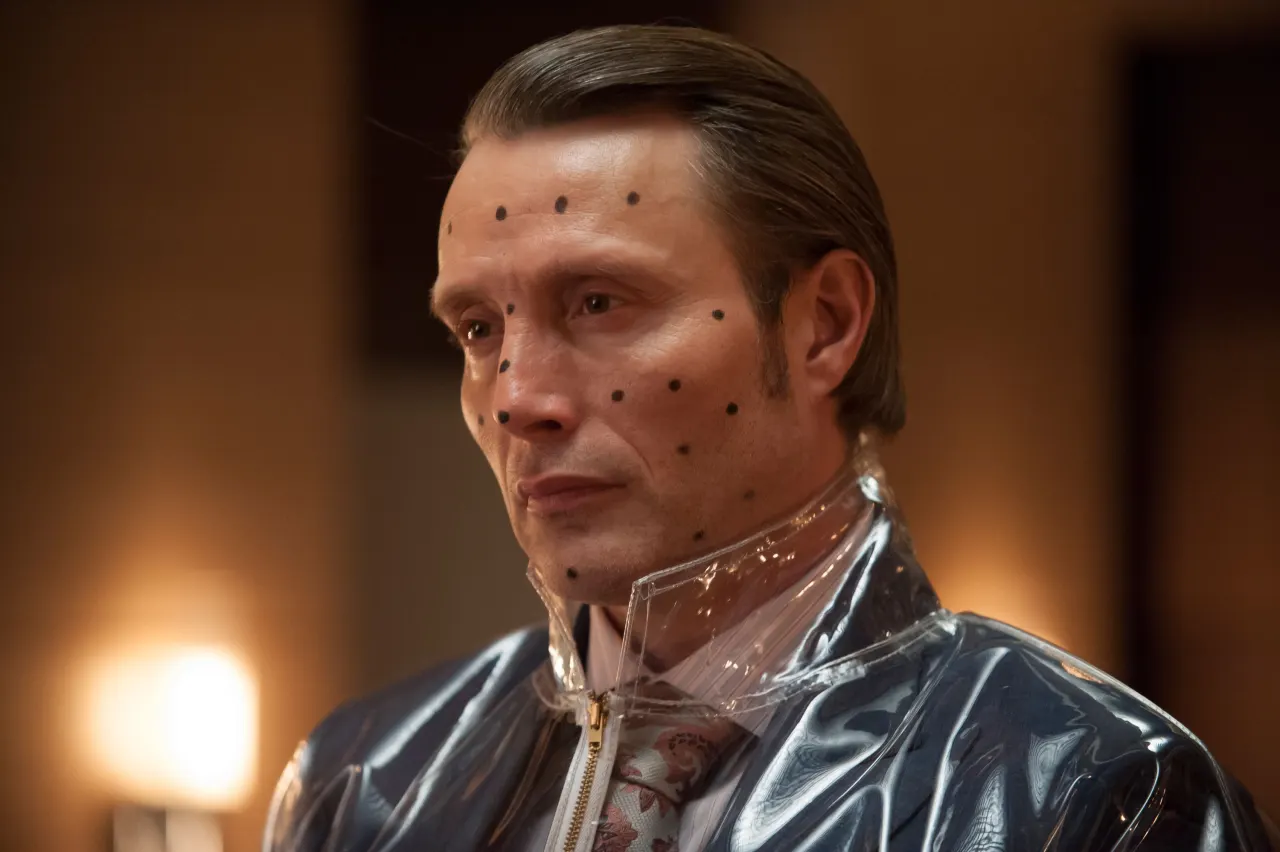
Bryan Fuller's television adaptation of the Hannibal novels created a substantially different narrative by shifting focus from the original protagonist Clarice Starling to FBI profiler Will Graham, a change driven by licensing limitations on Harris's characters. This led to a story centred on Graham's relationship with psychiatrist Hannibal Lecter, portrayed by Mads Mikkelsen, forming the emotional core of the series.
The adaptation is credited with surpassing the source material, particularly through expanded female characters who gain narrative significance and agency compared to their literary counterparts. The series reframes Will and Hannibal's connection beyond pure opposition, instead exploring a psychologically layered dynamic infused with possessive and romantic qualities. Mikkelsen's interpretation of Hannibal is highlighted as establishing a powerful reinvention of the character.
In short
- Bryan Fuller's Hannibal TV adaptation diverges from Thomas Harris's novels, replacing protagonist Clarice Starling with FBI profiler Will Graham due to rights constraints
- The series improves upon the source material through stronger female character development and a psychologically complex dynamic between Will and Hannibal with romantic undertones
- Mads Mikkelsen's performance is praised as redefining the Hannibal Lecter character beyond previous interpretations
Steelman: both sides, in good faith
The strongest fair case each way — we don't pick a winner.
The case for
Advocates argue that Bryan Fuller's adaptation demonstrates creative excellence in transforming licensing limitations into artistic opportunity, crafting a psychologically sophisticated narrative centred on Will Graham and Hannibal that achieves greater emotional depth than Harris's novels. The expanded female characters gain substantial agency and complexity they lacked in the source material, and Mikkelsen's interpretation represents a genuine reinvention rather than mere adaptation, establishing itself as a distinct artistic achievement worthy of consideration alongside the original.
The case against
Critics contend that the shift away from Clarice Starling as protagonist represents a fundamental departure from Harris's established vision, with commercial constraints serving as justification for substantial narrative restructuring rather than creative fidelity. They argue that introducing romantic and possessive dimensions to Will and Hannibal's relationship significantly alters the clinical psychological thriller core of the novels, and that licensing limitations should have inspired faithful reimagining rather than extensive character and story changes that compromise the source material's identity.
Explained simply
Bryan Fuller adapted the Hannibal novels for television, creating a story substantially different from the original books. Instead of centring on FBI trainee Clarice Starling, the series focuses on FBI profiler Will Graham and his relationship with psychiatrist Hannibal Lecter.
Mads Mikkelsen plays Lecter in a reimagined interpretation that diverges from the villain archetype in the source material. The television adaptation also significantly expands the roles of female characters, giving them greater narrative significance and agency than they had in the novels.
The show explores the psychological dynamic between Graham and Lecter in ways the original books did not. Rather than treating them as simple opponents, the adaptation reframes their relationship as the emotional core of the story, with both characters receiving complex psychological development.
Art Culture Entertainment Horror