Exposed Fauci diary shows he estimated COVID-19 death rate to be much lower than what he told Congress
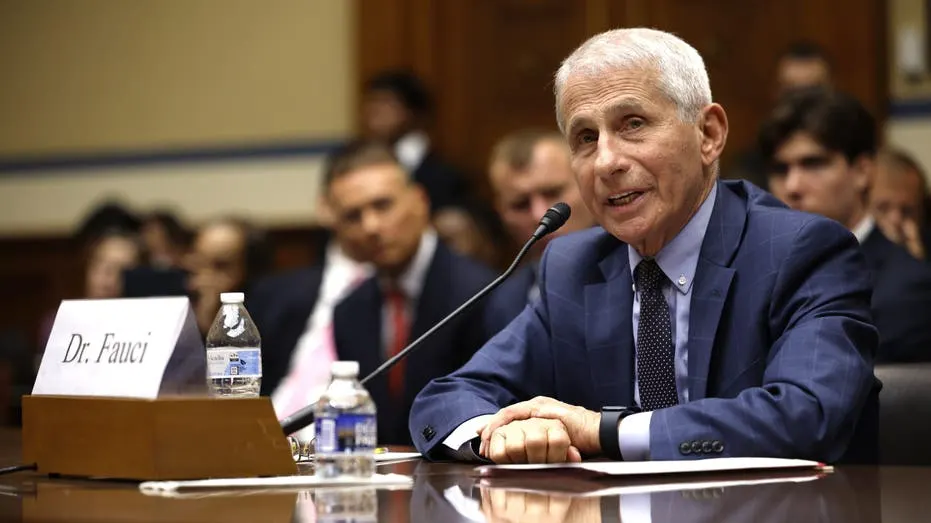
Newly disclosed extracts from a personal diary kept by Dr Anthony Fauci during the early stages of the COVID-19 pandemic reportedly show that he privately estimated the disease's death rate to be considerably lower than the figure he later gave to Congress under oath. The material, part of a wider release of declassified documents, has reignited scrutiny of Fauci's public statements during the pandemic and raised fresh questions about whether his testimony to lawmakers accurately reflected his private assessments at the time.
The diary entries date from early 2020, in the weeks before Fauci's subsequent congressional testimony on the virus's case fatality rate. The documents were released as part of a broader disclosure of declassified material relating to Fauci and the pandemic response, reportedly involving former Director of National Intelligence Tulsi Gabbard, and have prompted renewed debate over the former health official's public communications and credibility during the crisis.
In short
- Fauci's private diary shows a lower death rate estimate than his Congress testimony.
- Discrepancy emerged from newly declassified pandemic-era documents.
- Renews scrutiny of Fauci's public statements during COVID-19.
Steelman: both sides, in good faith
The strongest fair case each way — we don't pick a winner.
The case for
If Fauci privately estimated a significantly lower death rate than the figures he later presented under oath to Congress, this suggests a discrepancy between his genuine assessment and his public statements during a critical period. Such a gap raises legitimate questions about whether his congressional testimony accurately reflected his actual understanding at the time and whether elected representatives received information consistent with his own estimates.
The case against
Early pandemic estimates underwent constant revision as evidence accumulated, and diary entries represent private musings at one moment rather than carefully vetted public statements. Without knowing the specific figures being compared, when each assessment was made, what new data emerged between them, or how uncertainties were being weighed, the apparent discrepancy may simply reflect the ordinary evolution of scientific understanding rather than any deliberate misrepresentation.
Explained simply
Dr Anthony Fauci was a leading public health official who became a prominent figure during the COVID-19 pandemic, advising the US government and making frequent public statements about the virus. He testified to Congress about various aspects of the disease, including estimates of how deadly it was.
Recently declassified diary entries from the early weeks of the pandemic show that Fauci privately estimated COVID-19's death rate to be lower than the figures he later presented to Congress whilst under oath. The documents were released as part of a broader declassification process involving Tulsi Gabbard, the former Director of National Intelligence.
The discrepancy between his private estimates and public testimony has prompted questions about whether his congressional statements accurately reflected what he actually believed at the time. This raises broader issues about transparency and credibility in how health officials communicated with lawmakers during the pandemic response.