Culture news and discussion on TalkFuse.
House of the Dragon season 3 fans have a surprise new favorite character: “Gwayne is unexpectedly becoming the one person I’m keeping a tight prayer circle for”
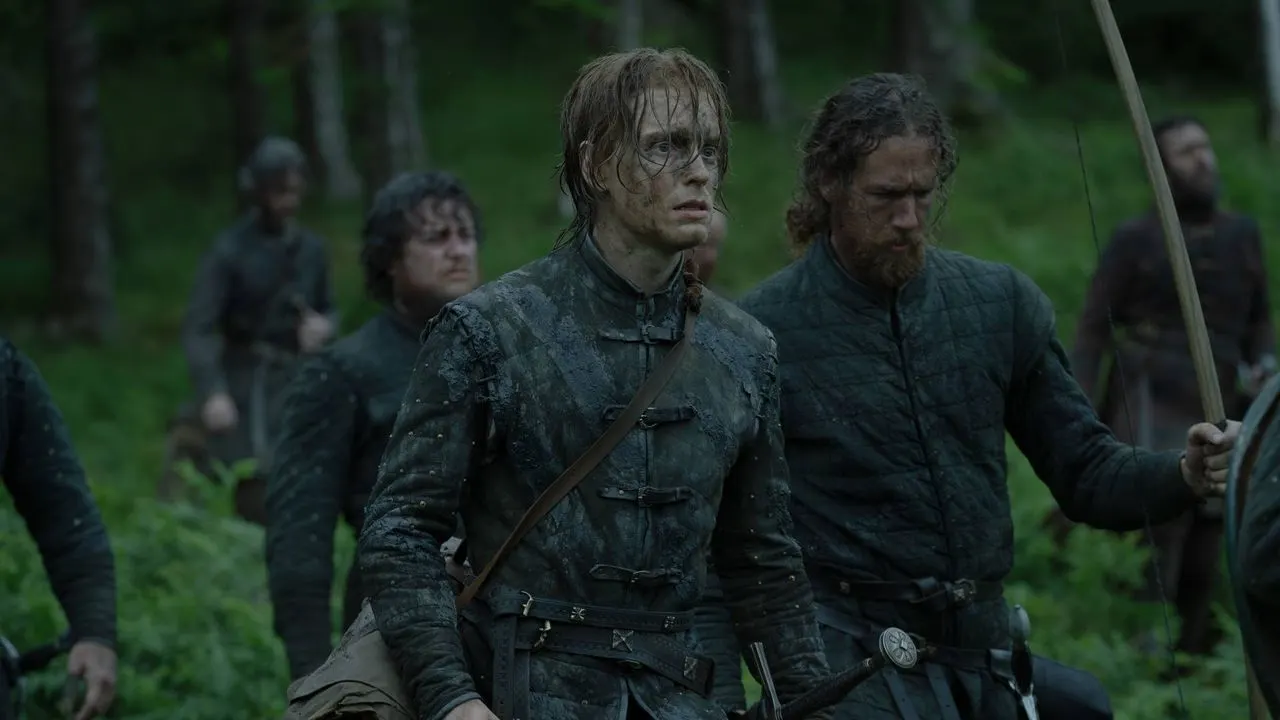
House of the Dragon fans have latched onto an unexpected favourite in season three: Gwayne Hightower, the previously minor character whose fate is now being anxiously watched by viewers. The shift matters because it shows how the show's expanding cast of secondary players is drawing genuine emotional investment, even as the central Targaryen power struggle dominates the plot, suggesting the writing is successfully deepening the wider Hightower family beyond its more obviously scheming members.
Social media reaction singled out Gwayne as a character audiences are now rooting for, with one fan describing him as someone they're "keeping a tight prayer circle for" amid the show's ongoing civil war storyline. The article frames this as a notable fan reaction piece around the season's broader ensemble, reflecting how House of the Dragon continues to generate strong character-driven discussion as it heads deeper into the Dance of the Dragons narrative.
In short
- Gwayne Hightower has become a surprise fan favourite in season three.
- Fans are worried about his fate amid the show's war storyline.
- Reaction highlights growing investment in the show's wider ensemble cast.
Steelman: both sides, in good faith
The strongest fair case each way — we don't pick a winner.
The case for
The growing affection for secondary characters like Gwayne demonstrates that House of the Dragon is successfully extending emotional depth beyond its central narrative. This ensemble character work reflects strong writing that enriches the overall story and keeps audiences invested across multiple storylines, suggesting the show has achieved the difficult balance of making viewers care about the wider stakes and world-building.
The case against
When audiences become most emotionally invested in secondary characters, it may signal that the show's central figures or primary narrative are not sufficiently compelling. Rather than indicating writing strength, fans gravitating towards peripheral characters could suggest the main plot and principal protagonists are failing to generate equivalent emotional investment, pointing to potential weaknesses in the show's core dramatic focus.
Explained simply
House of the Dragon is HBO's Game of Thrones prequel series that follows the Targaryen dynasty, a royal family ruling much of the fictional realm of Westeros with dragons. The show's current season depicts the Dance of the Dragons, a civil war between rival branches of the Targaryen family fighting for control of the Iron Throne.
Gwayne Hightower is a member of the Hightower family, one of Westeros's most powerful noble houses, and serves as a military figure in the conflict. He had been a relatively minor character in the series, appearing mainly to advance the central political storyline.
In ensemble dramas, viewers often develop emotional attachments to secondary characters as the narrative reveals more of their circumstances and stakes. When audiences become invested in such characters, it can signal successful storytelling that extends viewer engagement beyond just the main protagonists.