World news and discussion on TalkFuse.
Waltz slams France after stunning social media attack on US after UN vote
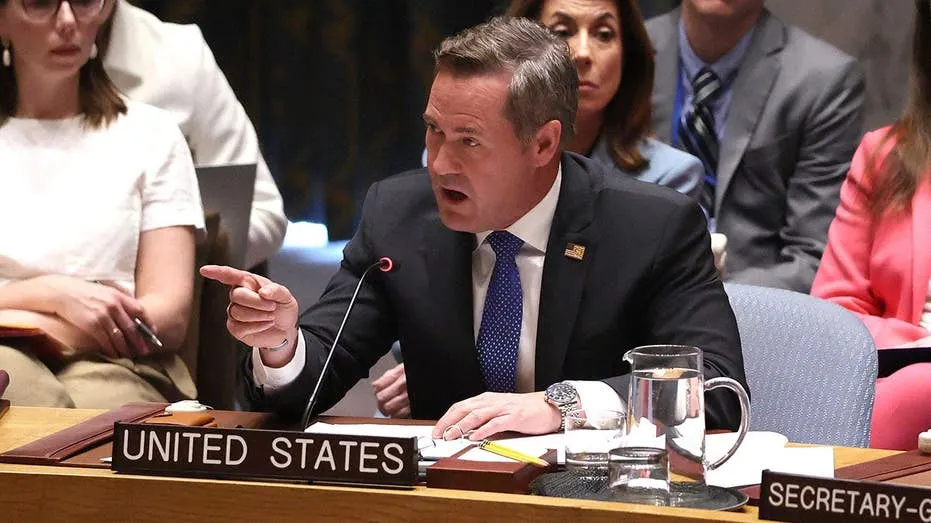
France's mission to the United Nations in Geneva launched a strongly worded social media attack on the United States after a UN vote to grant High Commissioner for Human Rights Volker Türk a further four-year term. France accused Washington of abandoning its role as a defender of human rights, prompting a sharp rebuttal from US officials, including former national security adviser Mike Waltz. The exchange highlights growing friction between Washington and European allies over the direction of the UN's human rights body under the Trump administration.
The row followed a contentious reappointment vote for Türk, during which US envoy Jeff Bartos accused the UN human rights chief of consistently condemning democracies while failing to confront abuses by authoritarian regimes, saying he had led the UN human rights system "to its deathbed". France's mission responded with public criticism of the US stance, which drew a swift and forceful reply from Waltz defending Washington's position. The dispute adds to wider tensions between the US and European partners over the UN's approach to human rights issues.
In short
- France criticised the US on social media after a UN human rights vote.
- Mike Waltz hit back sharply at France's comments.
- Row follows Volker Türk's contested reappointment as UN human rights chief.
Steelman: both sides, in good faith
The strongest fair case each way — we don't pick a winner.
The case for
International human rights mechanisms require independence from the preferences of powerful states, whose influence could distort which abuses receive scrutiny. The UN human rights chief's mandate involves examining all countries impartially, including democracies that claim global moral authority and must therefore accept accountability. Türk's reappointment through multilateral UN vote demonstrates genuine international support across diverse nations and reflects the organisation's inclusive character. Declining to support democratically endorsed leadership simply because one disagrees represents a unilateral attempt to control multilateral institutions.
The case against
UN human rights mechanisms must apply standards evenhandedly across all nations to maintain credibility; a pattern of disproportionate scrutiny towards democracies whilst overlooking systematic authoritarian abuses appears politically motivated rather than principled. Such selective application undermines institutional effectiveness, as it cannot command universal respect or serve as an impartial arbiter. The reappointment of leadership perceived as perpetuating this asymmetry represents a failure of necessary institutional reform. Countries committed to genuine human rights advocacy reasonably withdraw support from bodies that lack consistent standards.
Explained simply
Volker Türk is the UN's High Commissioner for Human Rights, an important post that leads the UN's global efforts on human rights issues. Member states vote to reappoint or replace this commissioner every four years, and these votes can become a moment to assess the leadership of the human rights system. Türk was recently voted to continue in the role, but the vote revealed deep disagreement between major powers about what the human rights body should focus on.
The United States under the Trump administration opposed Türk's reappointment, criticising him for focusing too much on alleged abuses by democracies whilst overlooking problems in authoritarian states. France and other European countries defended Türk, believing he represents human rights fairly on the global stage. This clash reflects wider disagreement between the US and European allies about how to approach international human rights work.
The UN Human Rights Council is a central forum where countries discuss the world's most serious human rights concerns and direct international scrutiny towards particular issues. Its leadership therefore shapes global conversations about human rights. The disagreement between the US and Europe over Türk's reappointment reflects differing priorities among major powers on how international human rights work should be conducted.
Americas Asia Elections Europe Geopolitics Politics World