Culture news and discussion on TalkFuse.
States may defy DNC primary calendar as ‘nobody is scared’ of Ken Martin, CNN reporter says
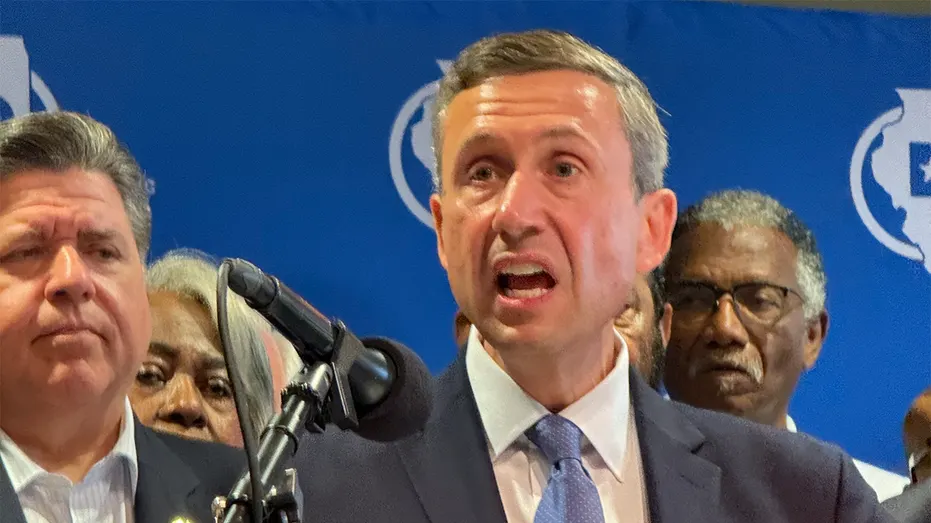
A CNN political correspondent suggested during weekend commentary that states could potentially disregard the Democratic National Committee's proposed 2028 primary calendar, citing New Hampshire as a state likely to chart its own course. The reporter's remarks underscore questions about the party's ability to compel compliance with its electoral rules without meaningful enforcement mechanisms.
The commentary reflects concerns about DNC Chair Ken Martin's leadership standing, with the reporter stating that party officials harbour little fear of the chair, suggesting weak internal authority. This assessment aligns with reports of organisational challenges within the Democratic Party, including financial strain and recent workplace incidents, all of which may diminish the chair's capacity to maintain party discipline.
In short
- CNN reporter suggests states may ignore DNC's 2028 primary calendar without fear of consequences
- DNC Chair Ken Martin lacks sufficient authority to enforce party compliance on primary scheduling
Steelman: both sides, in good faith
The strongest fair case each way — we don't pick a winner.
The case for
States have legitimate interests in determining their own electoral processes, and the DNC's inability to enforce compliance might reflect a more decentralised, democratic approach to party governance. Historical efforts at primary calendar control have often disadvantaged certain states and communities, so flexible arrangements negotiated through persuasion rather than top-down mandate could allow for more responsive outcomes that better reflect regional interests and diversity within the party.
The case against
An orderly, nationally coordinated primary calendar is essential for fairness and democratic legitimacy, ensuring every state has meaningful participation rather than the chaos of front-loaded contests that historically favoured wealthy, privileged regions. Without compliance and enforcement mechanisms, the party cannot effectively manage its nomination process, coordinate strategy, or present a united front to general election voters, ultimately weakening its competitive position and institutional integrity.
Explained simply
The Democratic Party's primary calendar sets the order in which states hold elections to choose the party's presidential nominee. These early contests, particularly in states like Iowa and New Hampshire, have traditionally carried significant influence in shaping the presidential race. The Democratic National Committee establishes this calendar to maintain party structure and ensure fair participation across states.
The DNC Chair Ken Martin has proposed a new primary calendar for the 2028 election cycle, but some states are expected to ignore it rather than comply. New Hampshire, which has long insisted on holding an early primary, is widely anticipated to defy the party's rules. The tension reflects a fundamental question about whether the DNC has sufficient authority to enforce its electoral rules on member states.
The uncertainty surrounding the calendar reveals broader challenges within the Democratic Party, including questions about leadership credibility and the strength of internal mechanisms for maintaining party discipline. Without clear ways to penalise states that ignore the calendar, the DNC's ability to manage the primary process remains uncertain. These issues arise as the party faces other organisational and financial pressures heading into the 2028 election cycle.