World news and discussion on TalkFuse.
Senators reject Trump’s call to make Canada pay for wildfire smoke: ‘Ridiculous’
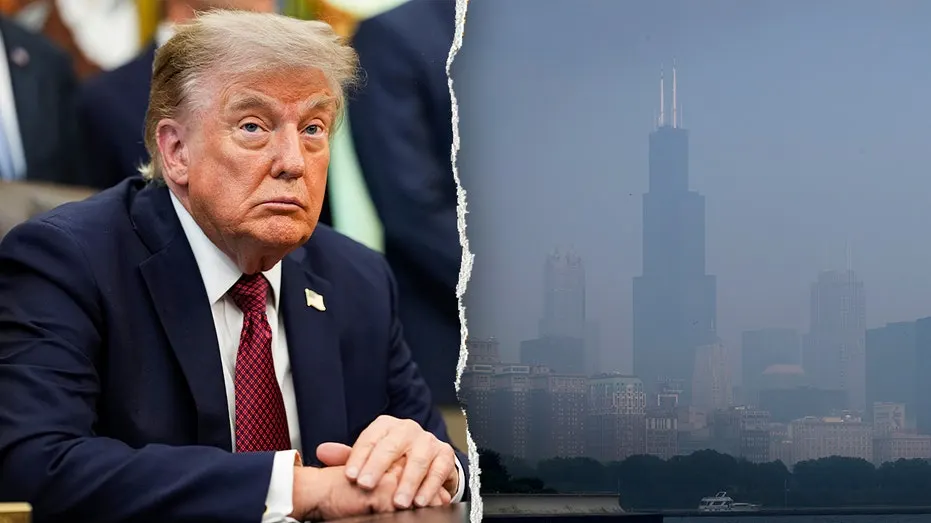
US senators from both parties have pushed back against President Donald Trump's call for Canada to pay damages over smoke from wildfires that he says has "poisoned" air quality in several American cities. The rebuke, offered by Republicans and Democrats alike, highlights bipartisan scepticism towards Trump's demand and underscores the practical difficulty of attributing responsibility for cross-border environmental effects such as wind-blown smoke.
Democratic Senator Tammy Duckworth of Illinois called the president's stance "ridiculous", while Democratic Senator Peter Welch of Vermont argued that nobody, including Trump, can control the direction of the wind. The comments came after Trump publicly blamed Canada for the smoke affecting US air quality, a claim senators say overlooks the natural and uncontrollable spread of wildfire smoke across borders.
In short
- Trump demanded Canada pay damages for wildfire smoke reaching the US
- Senators from both parties rejected the idea as impractical
- Duckworth called it "ridiculous"; Welch noted wind can't be controlled
Steelman: both sides, in good faith
The strongest fair case each way — we don't pick a winner.
The case for
Those supporting liability argue that nations have environmental responsibilities to neighbours; where a nation's territory causes measurable harm through smoke pollution affecting American public health, the source nation should bear responsibility through prevention or compensation. They contend Canada's forest management practices are within its control even if wind patterns are not, and that this principle aligns with established environmental law holding polluters accountable for their damage.
The case against
Those opposing liability argue that wildfires are natural disasters fundamentally beyond human control, and holding a nation financially accountable for smoke blown across borders by uncontrollable winds contradicts both practical reality and fairness. They contend accepting this principle would spawn endless disputes over atmospheric effects, create scientifically implausible causation claims, and unfairly penalise nations for phenomena they cannot prevent.
Explained simply
Canadian wildfires have created smoke that crosses into the United States, affecting air quality in several American cities. The spread of wildfire smoke across the US-Canada border is a recurring environmental issue in North America.
President Trump has called for Canada to pay compensation for damage caused by this smoke. Senators from both political parties argue that this is impractical, since smoke from wildfires cannot be directed or controlled—it spreads with the wind regardless of borders. The disagreement raises a broader question about how nations should handle environmental effects that cross borders through natural processes.
Americas Geopolitics Politics World