Entertainment news and discussion on TalkFuse.
Elder Scrolls 3: Morrowind can be played in a browser now
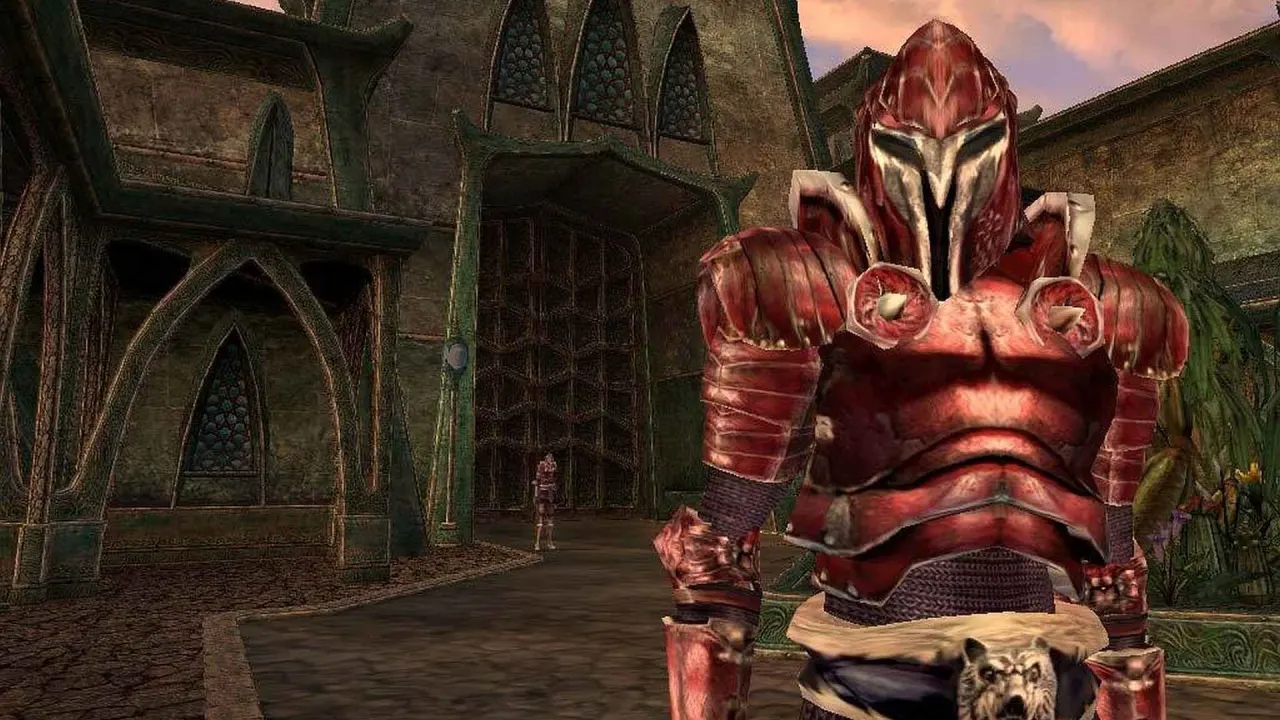
A modder known as Virtastic has released OpenMW-Web, a project that lets people play The Elder Scrolls III: Morrowind directly in a web browser. It builds on OpenMW, a long-running open-source reimplementation of the 2002 Bethesda RPG, and adds to a wave of fan-driven efforts keeping the classic title alive nearly a quarter-century after release.
The 1.0 version was published on GitHub last week, alongside a playable demo set in a small town with NPCs, guards and monsters to showcase the tech. To play the full game, users need to already own Morrowind on PC and point the browser tool to their locally installed files, which also lets existing mods carry over, though this raises questions about the point of a browser version and possible legal considerations. It follows other recent OpenMW-based projects, including dual-screen support for handhelds, and sits alongside the long-running Skywind remake effort and Bethesda's 2025 Oblivion remaster, fuelling hopes of an eventual official Morrowind revival.
In short
- Modder Virtastic released OpenMW-Web, letting Morrowind run in a browser
- Full game requires owning Morrowind on PC and existing local files
- Part of ongoing fan efforts, including Skywind and dual-screen mods
Steelman: both sides, in good faith
The strongest fair case each way — we don't pick a winner.
The case for
Advocates argue that preserving access to culturally significant but commercially dormant games serves an important public good, particularly when original titles are no longer actively sold or supported. They contend that requiring users to own the original game and building on open-source reimplementations respects Bethesda's intellectual property whilst extending accessibility without cannibalising sales of a 24-year-old title.
The case against
Those concerned about legal precedent and commercial implications point out that OpenMW operates in legally uncertain territory, and Bethesda retains legitimate rights to control how their intellectual property is distributed. They argue such projects could discourage official remasters and raise unresolved questions about the lawfulness of distributing reimplemented assets and ensuring fair compensation for original creators.
Explained simply
The Elder Scrolls III: Morrowind is a fantasy role-playing game released by Bethesda in 2002 that became a cult classic among video game fans. Though nearly a quarter-century old, it retains a dedicated following who continue to modify and reimagine the game through various fan-driven projects.
OpenMW is a long-running open-source reimplementation that rebuilds Morrowind from scratch, allowing it to run on modern systems without the original Bethesda code. A modder named Virtastic has now extended this project with OpenMW-Web, a tool that lets players access the game through a web browser, though they must still own their own copy of Morrowind to play.
To play the full game via browser, users need to own Morrowind and provide their own game files, meaning this is more of a technical achievement than a way for new players to discover the classic. The project sits alongside other fan efforts to revive and modernise older Elder Scrolls games, from fan remakes to Bethesda's own upcoming Oblivion remaster, reflecting both the enduring appeal of these games and the creative ways communities keep them alive.