Industrial chicken farming accelerating spread of diarrhoea bacteria, study finds
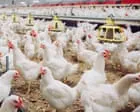
Scientists have found that industrial-scale chicken farming is speeding up the spread and evolution of campylobacter, the bacteria responsible for the world's most common form of bacterial diarrhoea. Researchers say the sheer intensity of modern poultry production is creating conditions in which strains from wild birds and farmed chickens mix and hybridise far more readily than before, alongside a worrying rise in antimicrobial resistance that could make future infections harder to treat.
The study, published in the Proceedings of the National Academy of Sciences, analysed almost 2,800 bacterial genomes gathered from chickens and wild birds across 30 countries, including the UK, US and China, between 1979 and 2024. It found roughly a 100-fold increase in strain transfers between chickens and wild birds since 1900 compared with before domestication, a trend that has steepened in recent decades. Since the 1960s, global chicken numbers have grown seven-fold to about 27 billion, now accounting for around 70% of all bird biomass on Earth, with campylobacter causing over three times as many UK gastroenteritis cases annually as all other monitored foodborne bacteria combined, and 60-80% of infections traced to raw chicken.
- Intensive chicken farming is fuelling faster spread and evolution of campylobacter bacteria
- Global chicken numbers have risen seven-fold since the 1960s, to 27 billion
- Antimicrobial resistance in circulating strains is rising, complicating future treatment