Technology news and discussion on TalkFuse.
Experts warn current Starship heat shield tech is a “dead end” for rapid reuse
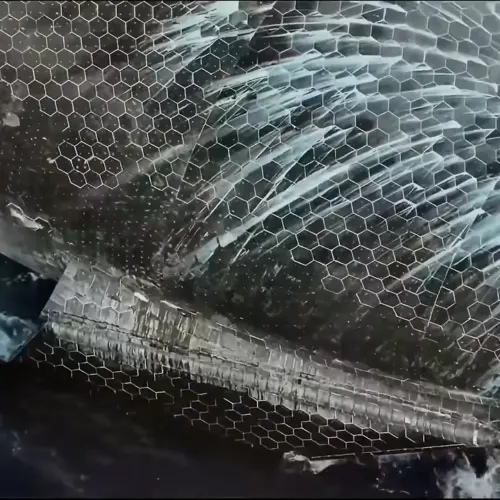
SpaceX's 13th Starship test flight demonstrated significant progress, with the vehicle surviving reentry and executing a controlled landing despite losing only a few of its roughly 18,000 heat-resistant ceramic tiles. However, experts warn that the current thermal protection system may prevent SpaceX from ever achieving its goal of "full and rapid" reusability, where both the booster and upper stage are turned around for relaunch within days or weeks rather than months. This echoes a problem NASA faced with the Space Shuttle decades ago, whose tiled heat shield always required lengthy, costly post-flight inspections despite performing adequately.
Dan Rasky, a former NASA engineer who co-invented the PICA heat shield material used on Crew Dragon, described Starship's current system as a "dead-end" for missions requiring rapid reuse. Drone footage of the Flight 13 vehicle after landing in the Indian Ocean showed white streaks across the heat shield, mostly at tile boundaries, along with signs of cracked tiles and broken edges, suggesting hot gas had penetrated some joints. Starship's steel structure, unlike the Shuttle's aluminium frame, can tolerate temperatures up to 800°C even where tiles fail, giving it more margin for error, but the damage observed still implies substantial inspection and refurbishment would be needed before reflight. SpaceX is reportedly aware of the challenge and has been discussing it publicly via podcasts and social media.
In short
- Starship's 13th test flight showed progress but heat shield damage persisted.
- Experts call current tile-based heat shield a "dead end" for rapid reuse.
- Problem echoes Space Shuttle-era refurbishment delays despite steel's heat tolerance.
Steelman: both sides, in good faith
The strongest fair case each way — we don't pick a winner.
The case for
The observed damage pattern at tile boundaries and evidence of hot gas penetration directly mirror the fundamental constraint that plagued the Space Shuttle despite its successful flights, suggesting this is an inherent structural limitation of ceramic tile systems rather than an easily resolved technical problem. Without a fundamental redesign of the thermal protection approach, extensive post-flight refurbishment will remain necessary, preventing the rapid turnaround times essential to SpaceX's reusability goals.
The case against
Whilst ceramic tile damage occurred, SpaceX's steel structure tolerates temperatures substantially higher than the Shuttle's aluminium frame, and only a handful of tiles from 18,000 were lost, indicating the approach is fundamentally sound. Targeted improvements in tile adhesive chemistry, manufacturing precision, inspection procedures, or real-time monitoring systems could plausibly enable rapid reuse without requiring a complete redesign.
Explained simply
SpaceX is developing Starship, a massive rocket designed to carry people and cargo to space. The company's ultimate aim is to make space travel economical by reusing the same spacecraft multiple times, turning them around for another launch within days or weeks rather than spending months on repairs.
All spacecraft need protection from extreme heat when returning through Earth's atmosphere. SpaceX's current Starship design uses thousands of ceramic tiles attached to the steel hull. The concern raised by experts is that these tiles require extensive inspection and repair between flights, which could prevent the vehicle from achieving the rapid turnaround times SpaceX envisions.
This echoes challenges NASA faced with the Space Shuttle decades ago, whose ceramic tile heat shield needed lengthy, costly inspections despite working adequately. Former NASA engineer Dan Rasky, who helped develop heat shield technology for other spacecraft, has warned that Starship's current system may be fundamentally unsuitable for rapid reuse, suggesting the company may eventually need a different approach.