Entertainment news and discussion on TalkFuse.
The album Tom Waits called his all-time favourite in 1974
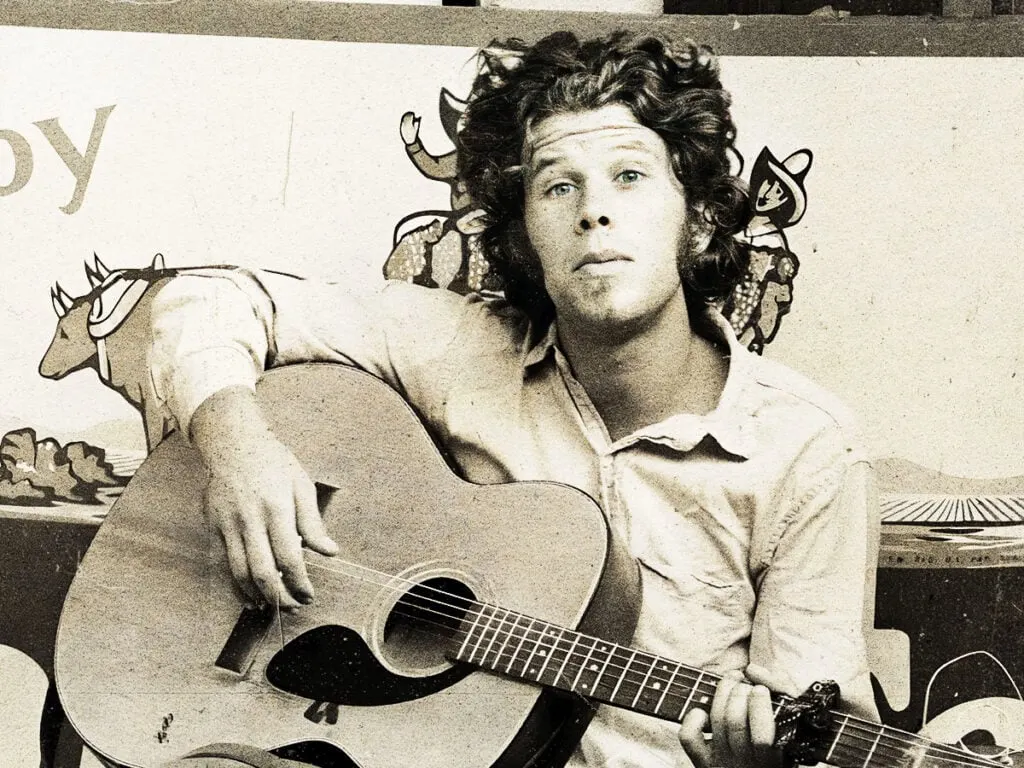
Jack Kerouac's novel 'On The Road' profoundly shaped musician Tom Waits during his formative years. When Waits encountered the book as an eighteen-year-old, he was searching for direction following his father's departure from his family. The narrative prompted him to explore America firsthand through hitchhiking across multiple states, and beyond its practical influence, Kerouac's philosophical approach to discovering life's possibilities left a permanent mark on Waits' worldview.
The resonance with Kerouac extended to his recorded work—specifically 'Poetry for the Beat Generation,' a 1959 collaboration between Kerouac and jazz pianist Steve Allen that paired the writer's verses with musical accompaniment. Waits was captivated by Kerouac's mastery of language that possessed rhythmic and melodic qualities despite having no formal music backing it. This artistic achievement—bringing poetic expression into musical form—became a template for Waits' own songwriting ambitions, demonstrating how a single artist's work could reshape another's entire creative trajectory.
In short
- Jack Kerouac's 1959 'Poetry for the Beat Generation' was named by Tom Waits as a cherished favourite album
- Waits credited Kerouac's earlier book 'On The Road' with inspiring his teenage wanderlust and shaping his philosophy
- The musician was particularly moved by Kerouac's ability to infuse prose with musical qualities
Explained simply
Tom Waits is an American musician and songwriter known for his distinctive voice and unconventional approach to music. Jack Kerouac was an American novelist and poet who became the defining literary figure of the Beat Generation, a mid-twentieth-century cultural movement that rejected mainstream values and emphasised spontaneity and artistic freedom.
As a young man, Waits discovered Kerouac's novel 'On The Road', which recounts the author's cross-country journeys in search of meaning and freedom. The book resonated deeply with Waits, who was eighteen at the time and struggling with his father's absence from his family. Rather than remaining passive, Waits was inspired to experience America for himself through hitchhiking across multiple states, whilst Kerouac's philosophical vision of discovering life's possibilities became central to his own worldview.
Beyond the novel's influence on his lifestyle, Waits was equally moved by 'Poetry for the Beat Generation', a 1959 recording in which Kerouac's verses were performed over jazz piano accompaniment by Steve Allen. Waits recognised that Kerouac had succeeded in merging poetic language with musical sensibility, creating something that functioned simultaneously as literature and music. This demonstration that a writer could reshape their work into a musical experience became a template for Waits' own songwriting, showing how one artist's creative vision could fundamentally reshape another's artistic direction.