Culture news and discussion on TalkFuse.
EPA exempts data center power plants from pollution limits seeking to prevent acid rain
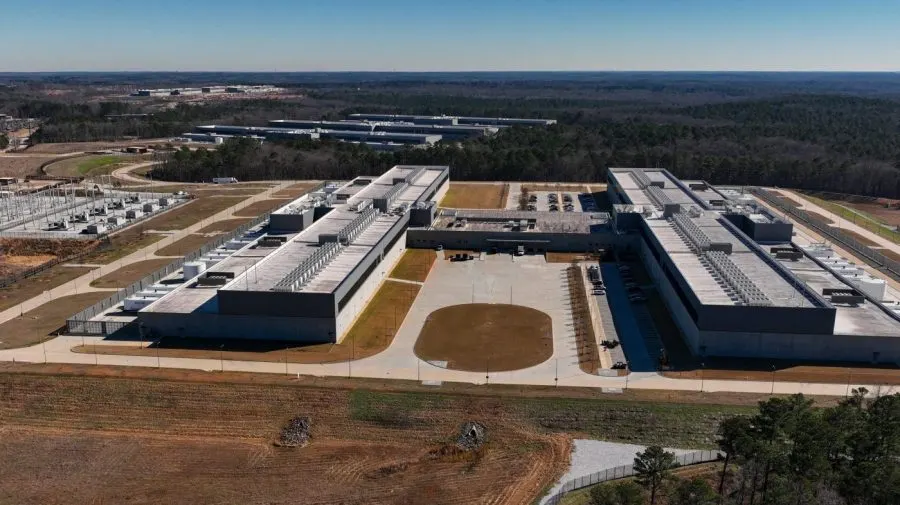
The article’s full text was unavailable, so its specific claims could not be verified. Based on the headline, the Environmental Protection Agency has exempted power plants serving data centres from pollution limits intended to reduce acid rain, a move likely to raise environmental and regulatory concerns.
The exemption appears to relate to emissions controls on plants supplying rapidly expanding data-centre electricity demand. No details on the affected facilities, legal basis, emissions levels, duration or EPA rationale were accessible from the provided page.
In short
- EPA reportedly exempted data-centre power plants from acid-rain pollution limits.
- Full article details were inaccessible.
- Scope and justification of the exemption remain unverified.
Steelman: both sides, in good faith
The strongest fair case each way — we don't pick a winner.
The case for
Data centres are critical infrastructure powering modern digital services and economic competitiveness, and exemptions may be necessary to prevent regulatory paralysis that could impede the rapid electricity capacity expansion this infrastructure demands. Proponents argue that pollution regulations designed for conventional power generation do not account for the unprecedented scale of current demand, and that strategic, time-limited exemptions enable essential infrastructure buildout whilst clean energy solutions are pursued at scale.
The case against
Opponents argue that pollution limits protecting public health from acid rain represent decades of scientific consensus and democratic deliberation that cannot be overridden by industry pressure. They contend that exempting any sector from environmental protections undermines the rule of law and creates precedent for weakening all standards, and that the appropriate response is for industries to pursue genuinely cleaner power sources rather than regulatory shortcuts.
Explained simply
Acid rain forms when power plants and industrial facilities release sulphur dioxide and nitrogen oxides into the atmosphere, which mix with water to create acidic precipitation. Since the 1980s, pollution limits have been used to control these emissions and reduce acid rain damage to forests, lakes and buildings. The Environmental Protection Agency enforces these limits as part of federal environmental protection.
Data centres are the computer facilities that power the internet, storing and processing vast amounts of information for everything from email to streaming services. As demand for artificial intelligence, cloud computing and cryptocurrency grows, the number and size of data centres are expanding rapidly, requiring enormous amounts of electricity. Power plants built to supply these facilities would normally have to follow the same pollution emissions limits as other industrial power plants.
The exemption means certain power plants serving data centres would be released from these anti-pollution standards, a significant regulatory move that raises questions about the balance between industrial expansion and environmental protection. The decision affects whether the electrical infrastructure supporting the digital economy will operate under the same environmental safeguards as other industries. This reflects ongoing debates about how quickly the United States should accommodate new technology demands against existing environmental protections.
Art Culture Elections Environment Politics Science