Entertainment news and discussion on TalkFuse.
10 Horror Movies That Are Perfect From Beginning to End
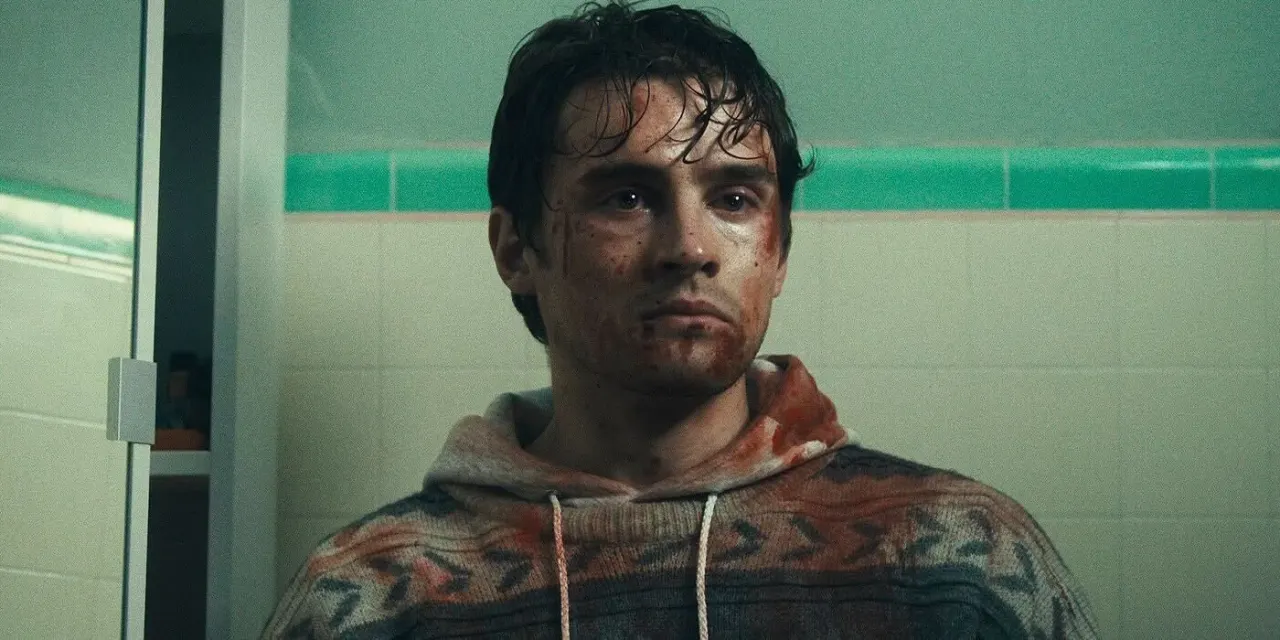
Collider has published a list highlighting ten horror films the outlet considers "perfect from beginning to end," praising the genre's enduring influence on cinema and popular culture. Written by staff writer Daniel Boyer, the piece argues that horror has grown into a sophisticated art form capable of telling stories that stay with audiences for generations, and singles out a mix of well-known classics and less-discussed titles as prime examples.
Topping the countdown at number ten is Stanley Kubrick's 1980 adaptation of Stephen King's "The Shining," praised for its mounting dread and lasting influence on suspense horror. Also featured are Tomas Alfredson's 2008 Swedish vampire drama "Let the Right One In," noted for its emotional depth, and Steven Spielberg's 1975 monster hit "Jaws," credited with instilling a widespread fear of open water. The article continues counting down further entries, blending celebrated classics with newer or overlooked films.
In short
- Collider lists ten horror films deemed flawless throughout.
- "The Shining" (1980) ranks among the top entries.
- "Let the Right One In" and "Jaws" also featured.
Explained simply
Collider, a film news and criticism website, has published a list ranking ten horror films as particularly well-crafted examples of the genre. The article frames horror not as disposable entertainment but as a sophisticated art form capable of creating stories with lasting cultural impact.
Horror films have shaped cinema and popular culture for generations, from psychological thrillers to monster stories that instil genuine fear in audiences. Films in the genre are often studied for how effectively they build tension and affect viewers emotionally, making them worthy subjects for critical examination.
Such ranked lists typically combine widely celebrated classics with films that may be less familiar to general audiences, offering both well-known touchstones and opportunities to discover overlooked works. The approach reflects ongoing discussions within film criticism about which films best exemplify the genre's potential.