World news and discussion on TalkFuse.
Saudi Arabia stares down Trump whiplash on nuclear deal
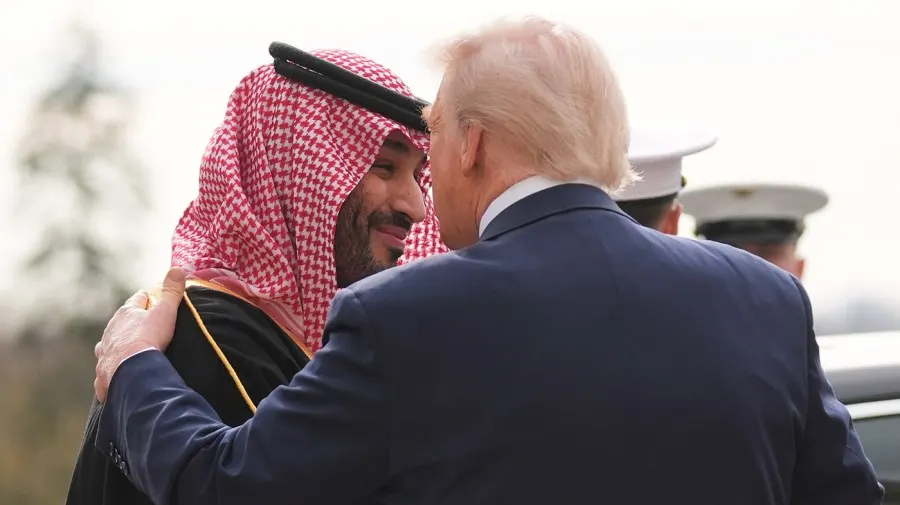
Saudi Arabia has given no sign that it will accept President Trump’s subsequent demand to establish diplomatic relations with Israel as a condition for a US nuclear-energy agreement. The dispute matters because it casts doubt over an agreement announced only last week and highlights the difficulty of linking Saudi civil nuclear co-operation to the wider Abraham Accords.
Saudi leaders have not publicly conceded that the nuclear deal has collapsed, despite Trump’s apparent change in conditions after its signing. US officials have also sought to clarify that the arrangement would not transfer uranium-enrichment capability to Saudi Arabia, a sensitive issue because of concerns over nuclear proliferation. Riyadh’s position on normalisation with Israel remains closely tied to progress towards Palestinian statehood.
In short
- Saudi Arabia resists linking its nuclear deal to recognising Israel.
- Trump’s new condition has put the agreement in doubt.
- Enrichment safeguards remain a central concern.
Steelman: both sides, in good faith
The strongest fair case each way — we don't pick a winner.
The case for
The Trump administration's insistence on linking the nuclear agreement to Israeli normalisation reflects a reasonable strategic calculation that regional integration and the end of Arab-Israeli conflict serve everyone's interests, including Saudi Arabia's long-term security and prosperity. By conditioning advanced cooperation on alignment with broader US foreign-policy objectives, the administration is using standard diplomatic leverage to advance what it views as mutual benefit and regional stability.
The case against
Saudi Arabia's resistance reflects the legitimate principle that separate agreements should be evaluated on their own merits, and that a civil nuclear-energy deal is fundamentally different from geopolitical questions about Palestinian statehood and Israeli relations. Conditioning unrelated benefits on political demands effectively subordinates Saudi sovereignty and Palestinian interests to US strategic preferences, and risks permanently damaging the nuclear agreement by entangling it with an intractable regional dispute.
Explained simply
The United States and Saudi Arabia recently agreed a deal for civil nuclear cooperation, which would allow America to help develop Saudi Arabia's nuclear energy programme. This is part of a broader US strategy to encourage Arab nations to normalise relations with Israel.
Saudi Arabia has historically been reluctant to normalise relations with Israel unless there is progress towards Palestinian statehood, a position the kingdom has consistently maintained. There are also international concerns about nuclear proliferation, which is why any nuclear cooperation agreement must clearly exclude transferring uranium-enrichment technology to Saudi Arabia.
The Trump administration has now linked the nuclear deal to Saudi Arabia's willingness to normalise relations with Israel. This creates tension between the technical goal of civil nuclear cooperation and broader geopolitical objectives.
Americas Art Business Celebrity Cricket Culture Entertainment Government Markets Middle East Politics Sport World