The prehistoric species fighting for survival in Lough Neagh
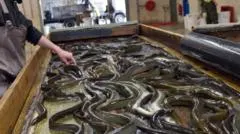
The Lough Neagh eel, a species with roots stretching back before the dinosaurs, faces a fishing shutdown as its numbers collapse. No yellow eels will be caught this year or for the next two, following the closure of the fishery, with only a small quota of mature silver eels permitted at the Lough Neagh Fishermen's Co-operative. The move threatens the livelihoods of fishermen who rely on eel catches for the bulk of their income, and they blame environmental pressures on the lough for the decline, while scientists say the warning signs have been building for decades.
The Lough Neagh eel was the first Northern Ireland product to gain EU Protected Geographical Indication status, underscoring its cultural and economic significance. Researchers at the Agri-Food and Biosciences Institute, including Professor Derek Evans, note that the European eel undergoes a remarkable life cycle, travelling from the Sargasso Sea as larvae, transforming through glass eel, elver and yellow eel stages over up to 20 years, before a final metamorphosis into silver eels that swim back across the Atlantic to spawn and die. Recruitment of young eels into European waters fell dramatically from around 14–16 million a year in the early 1980s to just over 200,000, a decline first noted in 1983 that has persisted; Stormont's Daera department says a financial assistance scheme for affected fishermen is being developed and awaiting approval.
- Lough Neagh yellow eel fishing banned for three years amid population collapse
- Only 25 tonnes of mature silver eels may still be caught
- European eel numbers plunged from millions to ~200,000 since 1983
- Fishermen await Stormont support as Daera develops an assistance scheme