J&J proposes $5.5bn deal to end talc cancer claims
Developed over time first seen 2 months ago
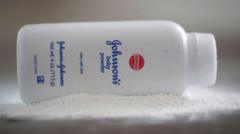
Johnson & Johnson offered up to $5.5bn (£4.14bn) to settle roughly 76,000 US lawsuits alleging its talc-based baby powder and other talcum products caused ovarian cancer, in a bid to close one of the largest and longest-running legal battles facing the New Jersey-based healthcare giant. The company continues to deny that its products caused cancer, but says settling would let it "put this matter behind it" after largely prevailing in cases taken to trial, including a federal court ruling earlier in July that questioned plaintiffs' ability to prove talc directly caused their cancer.
Under the offer, J&J would pay up to $3bn next year, with no further payments due before 2028, and the deal must be accepted by law firms representing 95% of ovarian cancer claimants before it can be finalised. Lawsuits date back to 2009 and centre on claims that talc, mined near asbestos seams, was contaminated with the carcinogenic mineral; J&J maintains studies show talc is safe and asbestos-free. The firm stopped making and selling talc-based baby powder worldwide in 2022, switching to a cornstarch-based formula, while liability for the product outside North America now sits with former J&J unit Kenvue, which owns brands including Band-Aid, Listerine and Calpol.
- J&J offers $5.5bn to settle talc baby powder cancer lawsuits
- Deal needs sign-off from firms representing 95% of claimants
- J&J denies wrongdoing; stopped selling talc powder globally in 2022
New here? Start with this
Johnson & Johnson, the American healthcare and consumer goods company, has faced tens of thousands of US lawsuits from people who used its talc-based baby powder and other talc products and later developed ovarian cancer. The claims allege that talc, a mineral that is sometimes mined close to asbestos deposits, was contaminated and caused their illness. J&J has always denied this, saying its products are safe, but the sheer number of cases has made this one of the biggest legal battles the company has faced.
The lawsuits date back to 2009, and J&J has already stopped making and selling talc-based baby powder worldwide, replacing it with a cornstarch-based version in 2022. Outside North America, responsibility for the product now sits with Kenvue, the consumer health company that J&J spun off. In the US, J&J has won most cases that have gone to trial, including a recent court ruling that questioned whether claimants could prove talc directly caused their cancer.
This matters because a settlement of this scale would resolve one of the longest-running and most closely watched pieces of corporate litigation in the United States, affecting how the claims of large numbers of cancer patients and their families are handled, while also shaping how a major global company manages its legal and financial exposure.
Both sides, in good faith
The strongest fair case each way — we don't pick a winner.
The case for
Advocates for the claimants and consumer-safety campaigners argue that a $5.5bn settlement, even without an admission of liability, reflects the weight of evidence that talc mined near asbestos deposits posed a genuine contamination risk and that thousands of women have suffered real harm. They contend that after 15 years of litigation, providing compensation now is fairer than forcing ill or bereaved claimants through further lengthy, uncertain trials, and that large firms should not be able to indefinitely delay accountability through procedural manoeuvring.
The case against
Johnson & Johnson and those sympathetic to its position argue that settling is a pragmatic business decision, not an admission of wrongdoing, pointing to its record of largely prevailing at trial and a recent federal ruling questioning whether plaintiffs can prove causation. They maintain that independent studies show talc is safe and asbestos-free, and that resolving the litigation protects the company, its employees and shareholders from the cost, unpredictability and reputational drag of continued case-by-case courtroom battles over claims they believe are scientifically unfounded.
More coverage
Read the full article at the source →
Originally published by BBC World as “Johnson & Johnson offers up to $5.5bn to settle baby powder lawsuits”.