World news and discussion on TalkFuse.
US and Iran resume high-level talks in New York amid conflicting messaging from Trump
Developed over time first seen 2 months ago
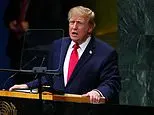
High-level talks between the United States and Iran have resumed in New York for the first time since June, with hopes of diplomatic progress contributing to falling oil prices and a notable shift after months of stalemate. The resumption of direct engagement is significant given the geopolitical tensions, with the Iranian president's UN address scheduled for later today and potential further meetings with the US president.
The three-hour meeting brought together US envoy Steve Witkoff and Iranian Foreign Minister Abbas Araghchi, facilitated by Qatar, with American officials characterising the encounter as productive and promising, though no formal agreement emerged. However, President Trump's messaging has been starkly contradictory, claiming progress whilst simultaneously threatening to "annihilate" Iran should negotiations fail. Iran has rejected Trump's aggressive rhetoric as propaganda and warned that any military offensive would provoke severe consequences. Oil markets have responded positively to hopes of progress, with Brent crude falling to $98.32 a barrel, marking the sixth consecutive day of declines—the longest losing run since August 2025.
- Sources
- 3
- Outlets
- 3
- Left · Centre · Right
- 1 · 1 · 1
In short
- US and Iran resume high-level talks; Trump delivers mixed progress claims and threats
- Oil prices decline to $98.32 on hopes of diplomatic breakthrough
- Iranian president scheduled for UN address with possible Trump meeting today
How this story developed
- 2 months ago High-level negotiations between Washington and Tehran took place at the United Nations in New York for the first time since June, with Qatar facilitating the discussions.
- 2 months ago High-level talks between the United States and Iran have resumed in New York for the first time since June, with hopes of diplomatic progress contributing to falling oil prices and a notable shift after months of stalemate.
Full account
Senior representatives from the United States and Iran have held high-level negotiations at the United Nations in New York, even as relations remained strained by provocative rhetoric from the American president. The talks, convened with Qatari mediation and involving Iran's Foreign Minister Abbas Araghchi and Trump's envoy Steve Witkoff, marked the first substantive engagement since a ceasefire agreement collapsed in June. Neither side has claimed a breakthrough, though both characterised the discussions in cautiously optimistic terms.
The meetings took place against a backdrop of escalating confrontation. During his address to the UN General Assembly, President Trump presented policymakers with a stark binary choice regarding Iran: either negotiate a comprehensive settlement that would enable the nation's reconstruction, or pursue military action designed to destroy the Islamic Republic entirely. He defended the ongoing military campaign as instrumental in preventing Iran from developing nuclear weapons, framing the conflict as evidence of efficacy through overwhelming force rather than diplomatic compromise. The American president contended that a sustainable accord would materialise immediately following November's Congressional elections, suggesting electoral timing shaped his diplomatic calculations.
Iran responded with emphatic defiance to the destruction rhetoric, dismissing the American president's language as propaganda whilst its armed forces pledged to deliver overwhelming retaliation should military escalation continue. Tehran reiterated fundamental preconditions for any settlement: a complete cessation of hostilities across all regional theatres and an end to American military actions. The standoff remained intractable, with Iran maintaining its blockade of the Strait of Hormuz—through which one-fifth of global petroleum and liquefied natural gas previously flowed—whilst Washington sustained a counter-blockade of Iranian ports, creating severe disruption to global energy supplies.
The prospect of diplomatic progress generated modest optimism in commodity markets. Petroleum prices declined for a sixth consecutive session, with Brent crude dropping to $98.32 per barrel—the first sustained movement beneath the psychological $100 threshold in more than a fortnight. The fall reflected not only expectations of negotiating headway but also reports that Saudi Arabia had recommenced operations on its East-West Pipeline, a critical export corridor previously shuttered by regional instability. The extended oil downturn marked the longest losing streak since August 2025, according to market analysts tracking the energy sector's response to Middle Eastern geopolitical developments.
Where outlets differ
From the full account, which is AI-written from the sources:
Source 1 emphasises Iran's defiant counter-threats and Trump's specific accusations regarding internal Iranian casualties, whilst Source 2 focuses more on the diplomatic mechanics and frames Trump's approach as 'coercive diplomacy'
Source 2 uniquely identifies this as the first substantive talks since a June ceasefire unravelled, providing structural context absent from Source 1
Source 2 characterises Trump's belief that an agreement would materialise after November elections; Source 1 does not address this electoral timing consideration
The sources describe the meeting differently: Source 1 reports Trump calling it 'very good' whilst Source 2 notes Witkoff characterised it as 'very productive' lasting three hours, with no breakthrough reported
Source 3 is predominantly financial-market focused, emphasising oil price movements and broader economic indicators rather than diplomatic substance; Sources 1 and 2 privilege the political dimension
Source 1 includes Iran's specific Armed Forces statement accusing America of 'humiliating defeats'; Source 2 does not capture this language
Left-leaning outlets 1
- Oil prices fall in longest losing streak in a year on hopes of progress in US-Iran talks – business liveThe Guardian
Only here: prices, fall, longest, losing, streak
Centre outlets 1
Only here: washington, tehran, resume, york, energy
Right-leaning outlets 1
Only here: warns, severe, retaliation, trump, threatens
Headline columns compared word for word; nothing in them is AI-written.
Steelman: both sides, in good faith
The strongest fair case each way — we don't pick a winner.
The case for
The administration's approach of combining diplomatic engagement with credible military deterrence reflects sound negotiating strategy, particularly with an adversary whose nuclear ambitions and regional activities pose genuine security threats. By maintaining operational readiness and demonstrating willingness to use force if talks fail, negotiators ensure Iran takes discussions seriously rather than viewing them as opportunities for delay or deception. Markets responding positively to diplomatic hopes whilst understanding the consequences of non-compliance suggests this dual posture may indeed be creating conditions for meaningful progress where softer approaches have repeatedly failed.
The case against
Trump's contradictory messaging—simultaneously claiming diplomatic progress whilst publicly threatening to annihilate Iran—fundamentally undermines the trust and mutual confidence that substantive negotiations require. Iranian leaders, facing domestic political pressure to defend national dignity, cannot negotiate seriously when confronted with simultaneous threats; such rhetoric emboldens Iran's hardliners whilst weakening those internally advocating for engagement. Consistent, respectful diplomacy conducted through steady, non-threatening dialogue has historically proven more effective at establishing the shared understanding necessary for durable agreements, whereas volatile messaging suggests strategic incoherence that leaves Iran unable to formulate a coherent response.
Explained simply
The United States and Iran have been hostile rivals for decades, particularly since Iran's 1979 revolution. The two countries have never fought a direct war but have engaged in military brinkmanship, proxy conflicts through regional allies, and economic sanctions, creating an atmosphere of mutual suspicion that makes any dialogue significant.
Talks between them matter globally because Iran sits in a strategically vital region and plays a role in Middle Eastern conflicts affecting oil supplies, weapons proliferation and regional stability. When US-Iran tensions escalate, oil prices tend to rise as markets fear disruption to energy supplies, whilst diplomatic progress can ease those fears and bring prices down.
Qatar has historically served as an intermediary between Washington and Tehran, using its diplomatic ties to both sides. Direct high-level engagement between US and Iranian officials remains rare and difficult, making any sustained conversation noteworthy as a potential avenue for reducing the risk of military escalation.
Coverage · 3 sources
Bias meters
From 3 rated sources.
Americas Art Business Celebrity Culture Economy Entertainment Geopolitics Markets Middle East Politics World