Health news and discussion on TalkFuse.
British chickens could be fuelling surge in bug linked to bowel cancer, study suggests
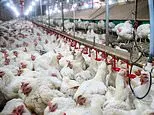
A study reported by the Daily Mail suggests that chickens reared in Britain could be contributing to a rise in a bacterial infection that has been linked to bowel cancer. The findings add to growing concern among researchers about the role poultry may play in spreading pathogens capable of colonising the human gut, with potential long-term health consequences beyond typical food poisoning.
The full detail of the study's methodology, the specific bacterium involved and the scale of the risk was not available in the retrieved article text, which consisted largely of unrelated headlines rather than the story's body copy. Readers seeking the precise findings, expert commentary or the researchers' recommendations should consult the original Daily Mail article directly.
In short
- Study links British chicken to a bacterium tied to bowel cancer
- Findings raise concerns about poultry as an infection source
- Full study details unavailable from the retrieved text
Explained simply
A bacterial infection found in poultry has caught researchers' attention because it has been linked to bowel cancer risk in humans. Scientists are studying how chickens and other farm birds can pass harmful bacteria to people, potentially through food, with effects that could extend beyond the typical food poisoning most people recover from quickly.
The concern centres on whether these bacteria can establish themselves in the human gut and contribute to serious long-term health problems rather than simply causing temporary illness. This raises broader questions about how modern food production and farming practices might affect public health on a population scale.
Scientists have become increasingly interested in the connections between farm animals and human disease, particularly how poultry farming could spread harmful bacteria with serious health consequences. The current research focused on establishing whether such a link exists rather than proposing changes to farming or food handling practices.
Health Medicine Research Science UK World