Technology news and discussion on TalkFuse.
ChatGPT is now refusing requests to write in famous authors’ styles
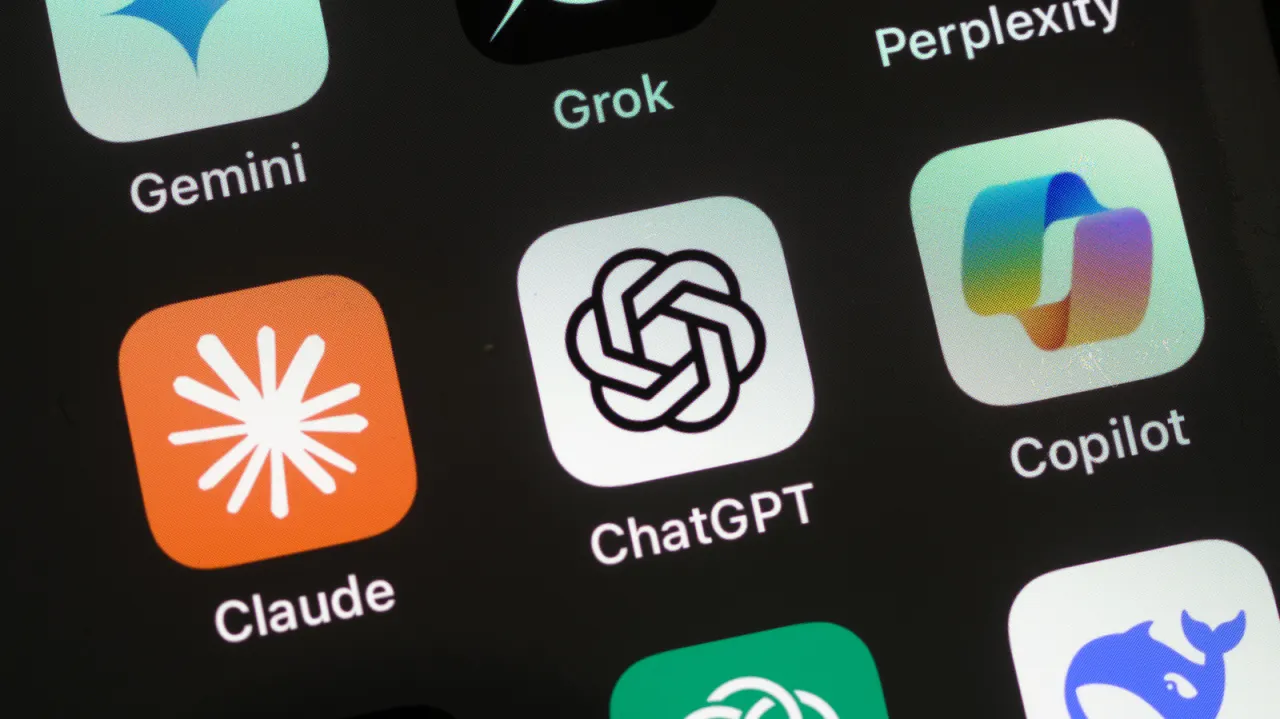
ChatGPT has begun refusing to write text that imitates the distinctive style of famous authors, whether living or dead, according to testing by Ars Technica and Engadget. This marks a shift from previous behaviour, as a recent study by publication No Latency had found the chatbot did not refuse such requests when the author in question was deceased, suggesting OpenAI has recently tightened its policy across the board.
Engadget's own test asked ChatGPT to write a mystery story in the style of Agatha Christie, and the bot responded that it could not closely imitate her "distinctive style" because her work remains under copyright, though it still offered to write something with similar qualities while remaining original. This suggests the refusal functions more as a legal disclaimer than an outright block, since the chatbot readily produces text evoking an author's characteristics without directly claiming to copy their style. The change is widely seen as a move by OpenAI to reduce legal exposure amid the mounting copyright lawsuits it already faces.
In short
- ChatGPT now refuses to mimic named authors' writing styles directly.
- Applies to both living and dead authors, a recent shift in policy.
- It will still write in a similar "vein" without naming the style copied.
Steelman: both sides, in good faith
The strongest fair case each way — we don't pick a winner.
The case for
OpenAI's approach protects authors' distinctive styles as creative works deserving intellectual property protection, respecting writers' legitimate economic interests and creative claims over their unique voice. Given mounting copyright litigation, implementing clear boundaries around style imitation is a prudent safeguard that signals good-faith respect for authorial rights.
The case against
This policy conflates learning a technique with copying specific works, treating AI differently from how human education permits aspiring writers to routinely study and emulate literary styles. The restriction may unnecessarily inhibit legitimate creative exploration and educational use, creating an overly cautious barrier that blurs the meaningful distinction between imitating a technique and producing original creation.
Explained simply
ChatGPT is an artificial intelligence chatbot used by millions of people. Until recently, users could ask it to write text in the style of famous authors. The service has now begun refusing such requests, citing copyright concerns.
OpenAI, which created ChatGPT, faces multiple lawsuits from authors and publishers. They argue that the AI system was trained on copyrighted books and articles without permission. Copyright law protects the original works created by authors, and companies that use such work without permission can face legal action.
The restrictions on ChatGPT reflect broader questions about how AI systems should handle copyrighted material. As AI becomes more widely used, companies are balancing what their tools can technically do against their legal obligations. These tensions between technology and law are likely to shape how AI develops over the coming years.
AI Americas Culture Fashion Technology World