Culture news and discussion on TalkFuse.
Lyft and Baidu start testing robotaxis in London
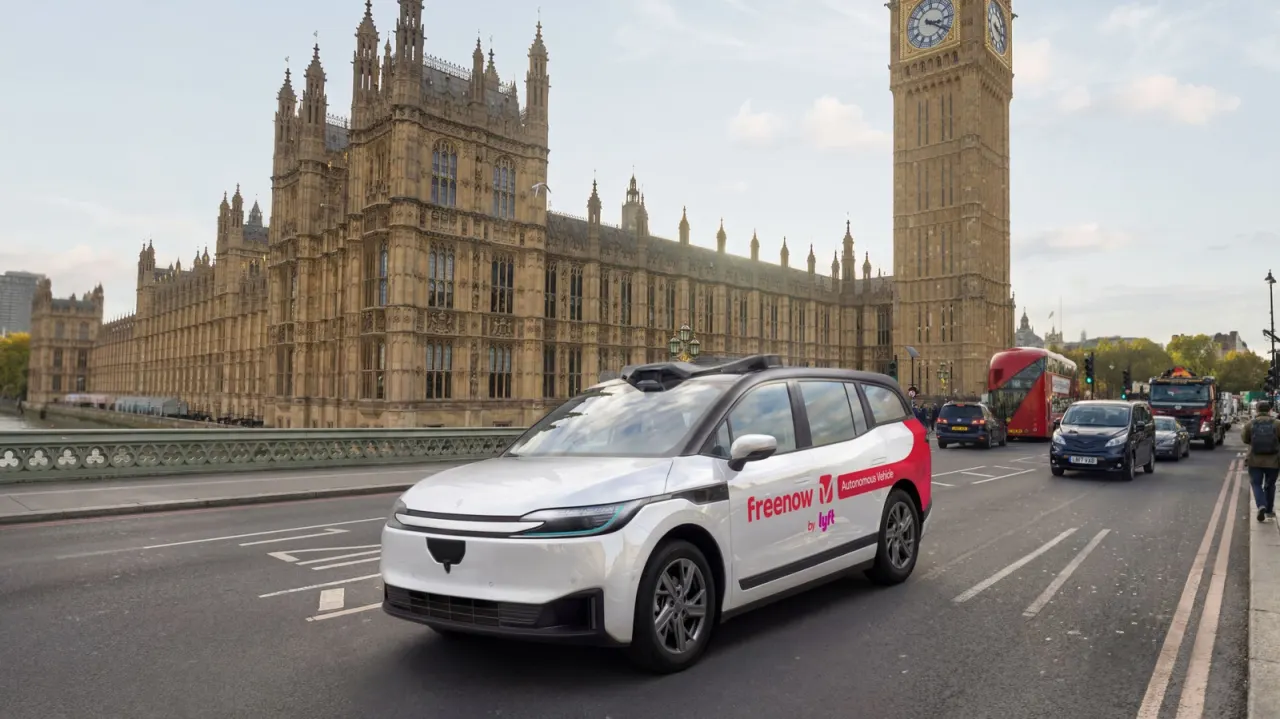
Baidu has begun testing its Apollo Go RT6 robotaxis on London's streets in partnership with Lyft and Freenow, marking a step towards the firms' goal of deploying thousands of autonomous vehicles across Europe. The trials, initially conducted with test drivers on board, will see Lyft and Freenow handle passenger bookings from next year, with the service eventually branded Freenow by Lyft. This puts Baidu and Lyft alongside a growing field of competitors, including Waymo and Uber's partner Wayve, all racing to establish autonomous ride-hailing in the UK capital.
The tests are running with dozens of Apollo Go RT6 vehicles in the Brent borough of London, and will eventually integrate with Freenow's existing taxi and private hire network, which Lyft acquired last year to accelerate its European expansion. Public ride reservations are expected sometime in 2027, though the exact timeline hinges on regulatory approval from Transport for London and the UK government, which is currently drafting autonomous vehicle rules and has launched its own robotaxi pilot programme.
In short
- Baidu and Lyft start robotaxi testing in London's Brent borough
- Service will be branded Freenow by Lyft, public rides expected in 2027
- Joins Waymo and Uber/Wayve in London's competitive robotaxi race
Steelman: both sides, in good faith
The strongest fair case each way — we don't pick a winner.
The case for
Autonomous vehicle trials offer significant potential benefits: improved safety through eliminating human error from driving, reduced traffic congestion, and expanded transport access for elderly and disabled people. The structured regulatory oversight from UK authorities ensures trials proceed responsibly, and competition between multiple firms (Lyft, Waymo, Wayve) prevents monopolisation whilst fostering innovation that could ultimately benefit consumers through lower costs and better service.
The case against
Rapid expansion of robotaxi services poses substantial risks, including significant job displacement for professional drivers without established transition support and concentration of essential urban transport with large corporations. Deploying autonomous systems on complex London streets whilst regulatory frameworks are still being drafted prioritises corporate deployment timelines over the caution appropriate for technology that could fundamentally disrupt thousands of workers' livelihoods and reshape urban mobility.
Explained simply
Robotaxis are self-driving vehicles that operate like traditional ride-hailing apps such as Uber or Lyft, but without a human driver. Baidu, a Chinese technology company, is testing its Apollo Go RT6 vehicles in London in partnership with Lyft, a US ride-hailing firm, and Freenow, a taxi and private hire service. Dozens of these vehicles are currently being tested in London's Brent borough.
The vehicles are currently operated with safety drivers on board, though Baidu and Lyft intend to open bookings to passengers through the Freenow app from next year. Public passenger services are not expected to launch until 2027, and will require approval from Transport for London and the UK government, which is currently developing regulations for autonomous vehicles.
This trial is one of several autonomous vehicle projects underway in London, with companies including Waymo and Wayve also testing robotaxis in the city. The trials form part of a wider industry competition to establish autonomous ride-hailing services in major European markets.
Art Celebrity Culture Entertainment