Civilization 7’s latest update adds more depth to peace deal brokerage and leader relations, as Firaxis gear up for “bigger additions”
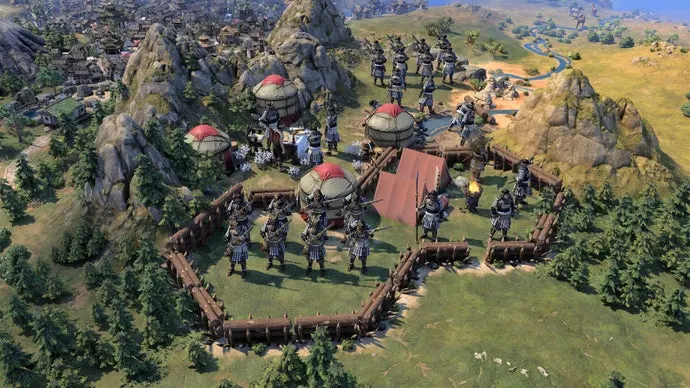
Civilization 7's July patch strengthens diplomatic systems by restructuring how players broker peace agreements. Rather than simply trading cities, negotiators can now contribute standardised resource amounts determined by historical era, a design choice intended to balance wartime economics and improve AI decision-making. The update also enhances relationship tracking, making it clearer when AI leaders' attitudes shift, and introduces a diplomatic reset option for players to address grievances before tensions escalate to outright conflict.
Supplementary changes include a statistical adjustment to Ashoka and the ability to disable specific victory types in custom games. A concurrent paid expansion focuses on Korean history, introducing the naval commander Yi Sun-sin alongside the Goryeo and Joseon civilisations. Developers characterised this as a transitional update while preparing more substantial features.
In short
- Update 1.4.2 refines peace negotiations by allowing tradeable resources (gold, influence) in fixed amounts based on game era, replacing open-ended sliders
- Improved diplomatic visibility shows when relationships shift; players can now attempt reconciliation with unfriendly AI leaders before hostility escalates
- New Korea-focused DLC adds Yi Sun-sin as a playable leader; update is smaller before larger additions planned
Explained simply
Civilization 7 is a strategy game where players construct and expand their own civilisations, competing against computer-controlled leaders and other players across thousands of years of history. The game emphasises diplomacy alongside military and economic competition, allowing players to negotiate treaties, form alliances, and broker peace after wars. The diplomatic systems in such games are essential because they offer alternatives to military conflict.
The latest update reshapes how peace negotiations work. Rather than simply exchanging captured cities, players now use standardised resource amounts that vary by historical era, a change designed to balance wartime economics and improve how computer opponents make decisions. The patch also clarifies when AI leaders' feelings towards you change, and adds a new tool to reset diplomatic tensions before they become irreversible.
Developers at Firaxis Games describe this as a stepping stone to more ambitious changes ahead. These improvements reflect a broader philosophy that diplomacy should feel like meaningful negotiation rather than simple trading, giving players more reasons to pursue peaceful solutions alongside other paths to victory.