News, events and chat from Sheffield and South Yorkshire.
Police seize 12,000 vehicles from streets of South Yorkshire for nuisance, traffic offences or no insurance
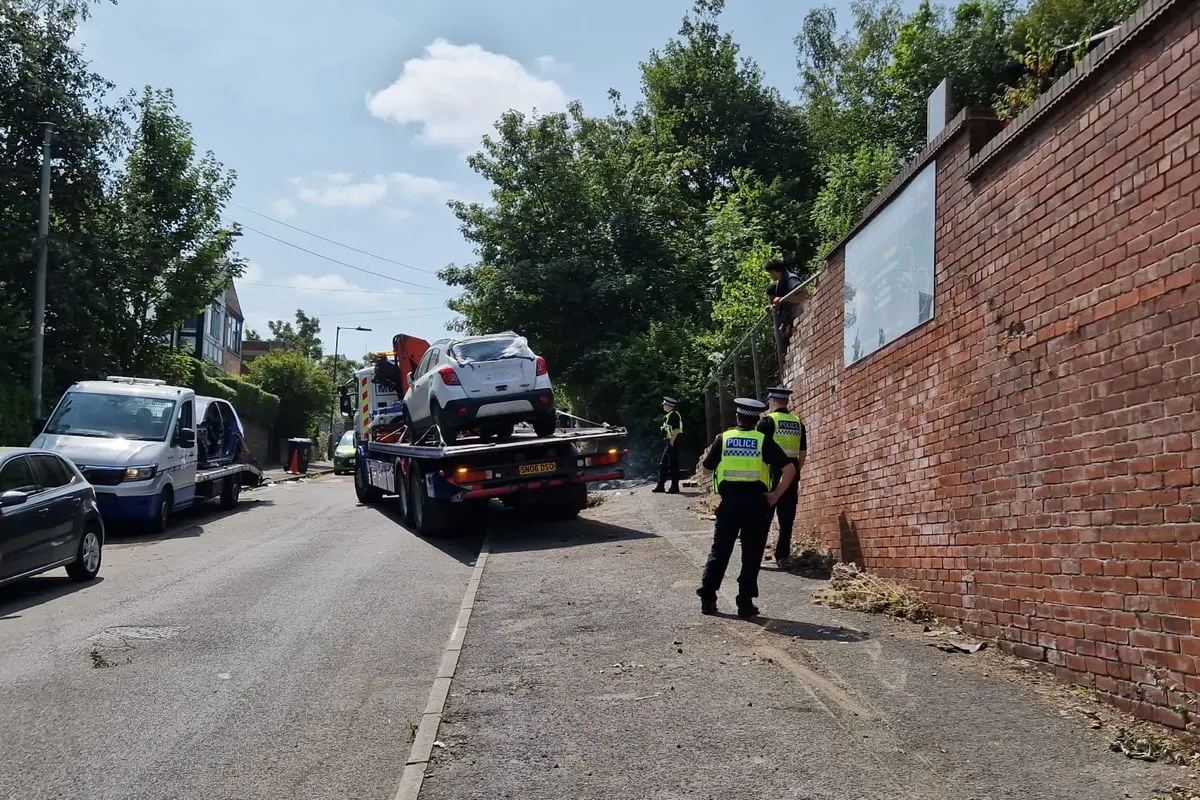
South Yorkshire Police removed nearly 12,000 vehicles from circulation in 2025, positioning the force among the country's most active enforcers. The confiscations targeted multiple violations including uninsured and unlicensed driving, stolen vehicles, dangerous parking, and antisocial use of motorcycles and quad bikes on protected outdoor spaces. This activity represents a significant share of the 1.15 million vehicles seized nationally between 2021 and 2025.
Data indicates uninsured and unlicensed driving remains the leading cause of seizures, accounting for roughly one in five confiscations nationally during the period. Police officials contend these violations pose genuine safety risks to other road users and impose substantial legal consequences including fines, licence points, and disqualification from driving. The persistent violation rates suggest enforcement remains an ongoing challenge despite these consequences and public awareness campaigns.
In short
- South Yorkshire Police seized nearly 12,000 vehicles in 2025, placing the force 8th highest nationally for seizure activity
- Uninsured and unlicensed driving is the primary reason for seizures, averaging 87 confiscations per day across UK forces from 2021–2025
Steelman: both sides, in good faith
The strongest fair case each way — we don't pick a winner.
The case for
Police enforcement against uninsured, unlicensed and stolen vehicles addresses genuine public safety hazards. Uninsured drivers impose financial and injury risks on other road users; stolen vehicles are crimes; antisocial use of motorcycles and quad bikes on protected spaces creates real community nuisance. These are not arbitrary violations but legally established requirements that protect vulnerable road users and the broader public.
The case against
Mass vehicle seizure may represent a disproportionately punitive enforcement strategy that particularly affects lower-income and marginalised communities struggling with insurance affordability and navigating bureaucratic barriers to licensing. The approach treats symptoms rather than root causes; questions arise about whether confiscation is proportionate to the offence and whether due process protections are adequately maintained. Resources devoted to enforcement might more effectively address underlying drivers of non-compliance such as insurance accessibility.
Explained simply
Police forces across the country confiscate vehicles from roads when drivers commit serious motoring violations. These seizures target a range of infractions including driving without insurance or a valid licence, operating stolen vehicles, dangerous parking, and antisocial use of motorcycles and quad bikes. Law enforcement officials maintain that such violations pose genuine safety risks to other road users.
Vehicle seizures have become a significant enforcement activity across England in recent years. The most common reason for seizure is uninsured or unlicensed driving, which accounts for roughly one in five confiscations nationally. Drivers caught committing these offences face substantial consequences including fines, licence points, and potential disqualification from driving, yet the high ongoing rate of seizures suggests many drivers continue to commit these violations despite the penalties and public awareness campaigns.