Culture news and discussion on TalkFuse.
Democrats still suffering from Bernie burnout
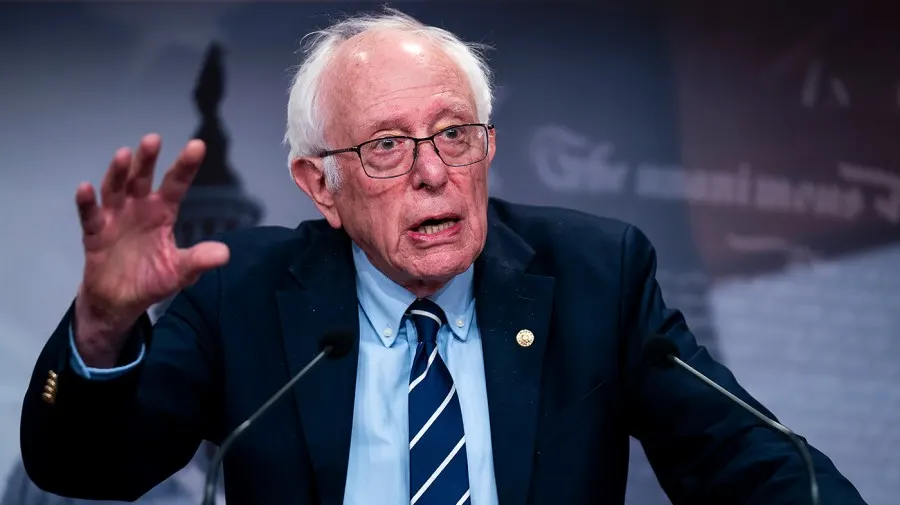
The article argues that Bernie Sanders’s influence continues to shape the Democratic Party, despite his limited legislative record and unsuccessful presidential campaigns. It suggests this legacy remains important because disagreements over the party’s direction, particularly its nomination rules and ideological priorities, still reflect divisions associated with Sanders’s rise.
It centres on a meeting of the Democratic National Committee’s Rules and Bylaws Committee, using it to examine how the party has changed since Sanders’s campaigns. The article notes that Sanders has spent 35 years in Congress and made two presidential bids, portraying his impact as greater on Democratic politics and internal party debates than on enacted policy.
In short
- Sanders’s political influence still shapes Democratic Party divisions.
- The article focuses on Democratic nomination rules and ideology.
- Sanders has served 35 years and run twice for president.
Steelman: both sides, in good faith
The strongest fair case each way — we don't pick a winner.
The case for
Sanders's campaigns fundamentally reshaped Democratic Party discourse and priorities, mobilising millions of voters—particularly younger people—around issues like healthcare, inequality, and climate action. His influence remains evident in ongoing debates about the party's direction, nomination rules, and ideological positioning, suggesting that even without legislative victories or electoral success, his movement transformed what the Democratic Party considers important and how its internal factions define themselves.
The case against
Sanders's two presidential defeats and relatively modest legislative record over 35 years raise reasonable questions about whether his influence on Democratic direction should remain as prominent or defining. The party encompasses varied progressive traditions and multiple voices beyond Sanders; attributing ongoing divisions primarily to Sanders-era conflicts may distract from recognising new leadership and moving forward constructively, and there is a defensible case that the party would benefit from shifting focus away from Sanders-centred narratives towards diverse, forward-looking leadership and winning elections.
Explained simply
Bernie Sanders is a long-serving Democratic senator who ran for his party's presidential nomination in 2016 and 2020, though neither campaign secured him the nomination. His campaigns drew significant support from younger voters and progressives, and shifted how the Democratic Party debates economic policy and social programmes.
Though Sanders has spent over three decades in Congress, his direct legislative achievements are relatively modest. Yet his political influence within the Democratic Party remains substantial, shaping how the party discusses its direction, candidate selection, and ideological priorities.
The Democratic Party continues to experience divisions over its strategy, policies, and how progressive it should be—tensions that trace their origins to Sanders's campaigns. These disagreements remain active within party structures, demonstrating his lasting impact on how Democrats discuss their priorities and approach their internal decision-making.
Art Culture Geopolitics Government Politics