Culture news and discussion on TalkFuse.
A Two-Person Startup Has Fixed One of the Most Hated Sounds in Modern Life
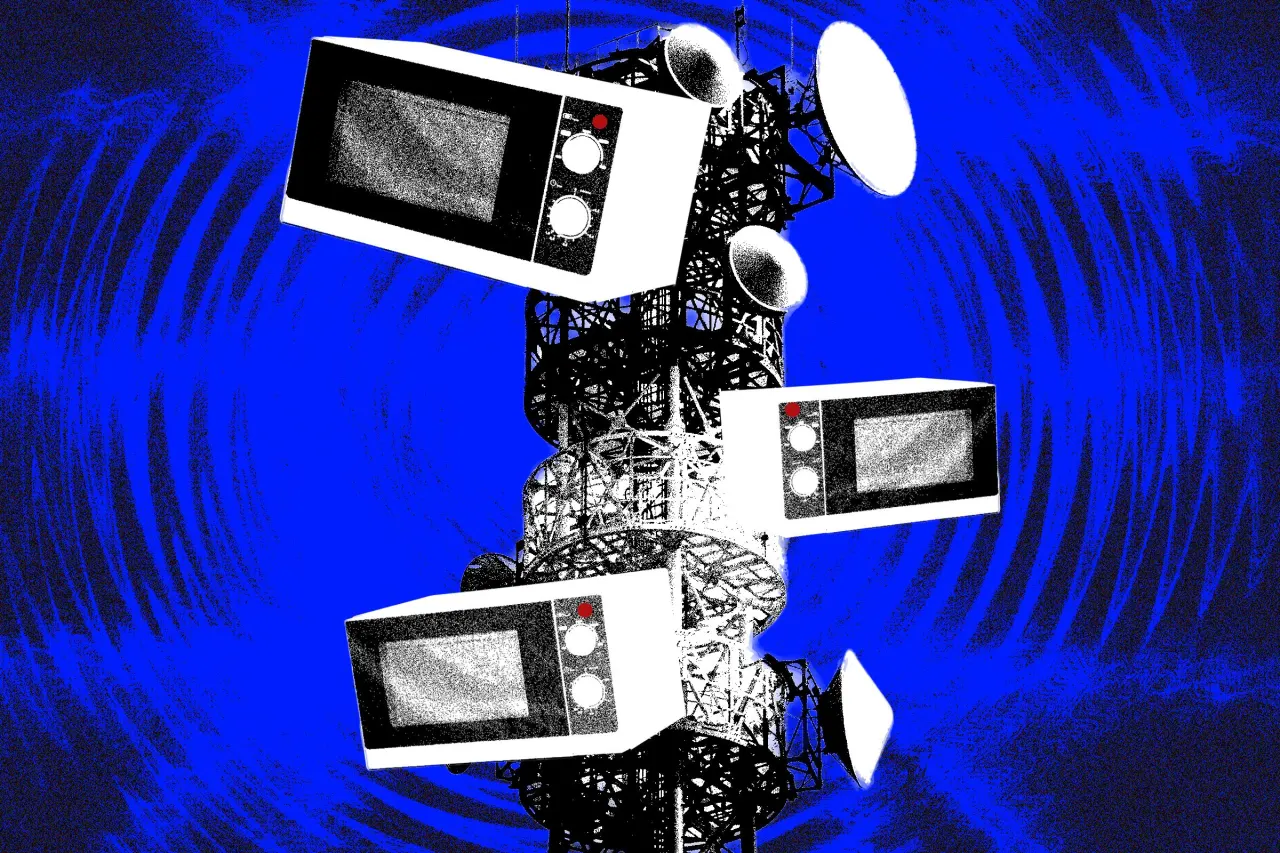
A two-person sound design studio, Starling, has developed a way to replace the harsh, universally disliked beep of microwave ovens without changing any hardware. Founders Joel Corelitz and Colin Coogan, who have previously worked with clients such as Sony, Microsoft, Netflix and Ford, realised that the existing microcontroller and cheap piezoelectric buzzer found in nearly all microwaves can be reprogrammed with new code to produce far more pleasant sounds, since manufacturers have stuck with unpleasant beeps largely to keep costs down.
Almost all microwaves rely on passive piezoelectric buzzers, cheap membrane-based components first mass-produced by Japanese manufacturers in the 1970s, which typically only allow adjustment of a beep's frequency and duration. Using software they built called Microwave Sound Bench, Corelitz and Coogan demonstrated alternatives including trills, cartoonish frequency sweeps, arpeggios and video-game-like sequences, all generated using the same existing chips and buzzers, meaning manufacturers could adopt friendlier sounds purely through a software update.
In short
- Starling designed pleasant microwave sounds using existing cheap hardware.
- No new components needed, just reprogrammed code.
- Aims to replace universally hated microwave beeps affordably.
Explained simply
Since the 1970s, microwave ovens have beeped the same harsh, high-pitched alert sound. This unpleasant beep has remained largely unchanged because manufacturers used simple, inexpensive buzzer components that limited sound quality, and improving the noise was never a priority when keeping costs low mattered more.
Sound designers Joel Corelitz and Colin Coogan, who have previously worked with clients including Sony, Microsoft, Netflix and Ford, discovered that existing microwave hardware could actually produce much more pleasant sounds. Through software they developed called Microwave Sound Bench, they demonstrated that the same cheap buzzer components and electronic chips already installed in nearly all microwaves can be reprogrammed to generate friendlier tones such as musical trills, melodic sweeps and video-game-style sequences.
This matters because manufacturers could offer significantly friendlier microwave sounds through simple software updates, with no need to change any physical hardware or add costs. Since millions of households worldwide use microwave ovens daily, replacing one of modern life's most universally disliked sounds could meaningfully improve the everyday experience of countless people.
Art Business Celebrity Companies Culture Entertainment