Only use VAR when error blatant – referee chiefs
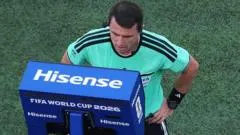
European referee chiefs have agreed that VAR should only be used to overturn "blatantly incorrect" decisions or clear missed incidents, rather than for lengthy, forensic reviews of marginal calls. The stance follows a meeting of chief refereeing officers from all 55 Uefa member associations, alongside Uefa and International Football Association Board (Ifab) representatives, aimed at realigning VAR with its original purpose after concerns it has been overused to "re-referee" matches. This matters because it signals an effort to restore on-field referees as the primary decision-makers and reduce disruptive delays that have drawn criticism from players, managers and fans.
Uefa said VAR's founding "minimum interference, maximum benefit" philosophy, introduced by Ifab in 2018, was intended to correct clear and obvious errors on goals, penalties, direct red cards and mistaken identity, not to scrutinise every decision. Officials also addressed recent confusion over the "mistaken identity" rule used at this summer's World Cup, following Switzerland's Breel Embolo being sent off after Argentina's Leandro Parades was wrongly booked for his foul; Ifab clarified VAR should only identify the correct offender, not reassess the offence itself. There was also unanimous backing for measures to cut delays, including time limits on goal-kicks, throw-ins and substitutions, and new rules on injuries and goalkeeper time-wasting.
- Referee chiefs say VAR should only fix blatant, clear-cut errors
- Uefa and Ifab want less "re-refereeing" and shorter reviews
- New time limits agreed for goal-kicks, throw-ins and substitutions
New here? Start with this
VAR stands for Video Assistant Referee, a technology system introduced in 2018 to help match officials identify clear mistakes in critical moments, such as incorrectly awarded penalties or missed red card offences. The technology was designed as a safety net to prevent obvious errors from deciding important matches.
However, VAR has increasingly been used to scrutinise marginal decisions in excessive detail, leading to lengthy stoppages that have drawn criticism from players, managers and fans. There are concerns the system has become a tool for re-reviewing every contentious call rather than simply catching genuine errors, which has made matches slower and more disruptive.
European football authorities have now agreed to restrict VAR use to only obviously incorrect decisions or clear missed incidents. This move is intended to restore on-field referees as primary decision-makers and reduce the disruptive delays that have affected recent football.
Both sides, in good faith
The strongest fair case each way — we don't pick a winner.
The case for
Restricting VAR to blatantly incorrect decisions preserves referee authority, maintains match flow, and aligns with football's original embrace of VAR as a safety net rather than a perfection tool. Players, managers, and fans have grown frustrated with endless forensic reviews that interrupt the game's rhythm and undermine the on-field official's standing. VAR should correct clear errors while trusting human referees to manage the sport, not transform matches into extended video analysis sessions.
The case against
Limiting VAR to 'blatant' errors is counterproductive when technology can prevent obvious injustices that significantly affect outcomes. The threshold of 'blatant' is inherently subjective and vague, meaning marginal decisions—including penalties and offsides that determine goals—will remain uncorrected despite the means to correct them. If fairness is football's priority, the logic for restricting available accuracy tools is weak; fans and players value correct decisions over strict time limits on getting there right.