Culture news and discussion on TalkFuse.
Monica Lewinsky’s Lindsey Graham tribute draws criticism and praise for placing people over party: expert
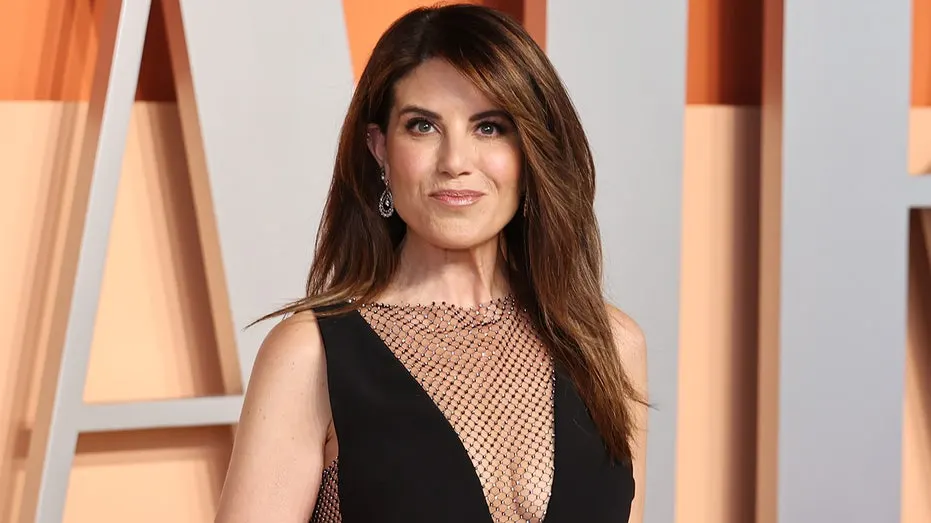
Monica Lewinsky's public tribute to the late Senator Lindsey Graham has drawn a mixed reaction, with commentators noting it was praised by some for prioritising personal respect over political division, while others criticised her for extending sympathy to a Republican figure. The tribute has been highlighted by experts as a notable moment given the two figures' very different backgrounds, and it has renewed attention on Graham's long career and influence in American politics following his death.
Lewinsky, 53, best known for her work as an activist and anti-bullying campaigner since her time at the centre of the 1998 Clinton White House scandal, offered a respectful and candid statement about the South Carolina senator. According to commentary cited by Fox News, the tribute has been seen as an example of placing personal relationships above partisan lines, sparking debate across political divides about how public figures should respond to the deaths of political opponents.
In short
- Monica Lewinsky's tribute to Lindsey Graham after his death sparked mixed reactions.
- Some praised her for putting people before party politics.
- Others criticised her for honouring a Republican senator.
Steelman: both sides, in good faith
The strongest fair case each way — we don't pick a winner.
The case for
Lewinsky's tribute demonstrates the importance of civility and respect for human dignity in democratic discourse, particularly across partisan divides. Honouring someone's memory need not require endorsing their political positions; it reflects the view that people are multifaceted and deserve acknowledgement of their whole contributions. Modelling this grace is essential to restoring norms of respectful disagreement in contemporary politics.
The case against
Political principle and accountability cannot be suspended merely because someone has died. Prominent tributes risk minimising the real consequences of political decisions, and honest assessment of a person's record—including fair critique—is itself a form of respect rather than disrespect. One can acknowledge the deceased with dignity whilst maintaining serious evaluation of their political impact and legacy.
Explained simply
Monica Lewinsky became a prominent public figure following a 1998 scandal involving President Bill Clinton whilst working at the White House. Since then, she has worked as an anti-bullying activist. Lindsey Graham was a long-serving Republican Senator from South Carolina who died recently after decades in American politics.
Following Graham's death, Lewinsky issued a public tribute to him. The statement drew mixed reactions, with some commentators praising her willingness to show respect to a political opponent, whilst others criticised her for extending sympathy to a Republican.
The exchange has sparked debate about whether public figures should prioritise personal relationships over partisan divisions when responding to the deaths of political opponents. It has raised broader questions about how Americans can navigate deep political disagreements whilst maintaining personal respect.