World news and discussion on TalkFuse.
Cutting AIDS relief hands South Africa to Russia, China
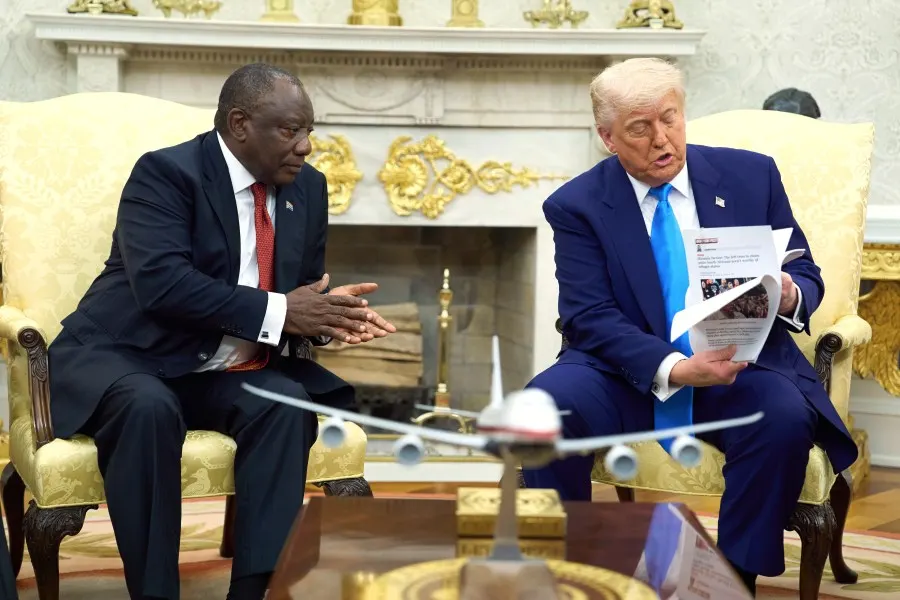
The article text was not accessible, so its arguments and factual claims cannot be summarised reliably. The title suggests an opinion piece arguing that reductions in AIDS relief could increase Russian and Chinese influence in South Africa.
No supporting details, figures or context were available beyond the title and access-denied message. A neutral summary would require the full article text.
In short
- Article content was unavailable.
- Title links AIDS relief cuts to geopolitical influence.
- Full text is needed for a reliable summary.
Steelman: both sides, in good faith
The strongest fair case each way — we don't pick a winner.
The case for
Those supporting reductions to aid contend that fiscal responsibility requires prioritising domestic needs, particularly within constrained government budgets. They argue that aid effectiveness is difficult to measure reliably and that sustainable development ultimately depends more on recipient nations' own institutional capacity and self-reliance than on ongoing external dependency.
The case against
Those opposing such cuts emphasise that wealthy nations have both moral responsibility and strategic interest in preventing global health crises, noting that AIDS relief has demonstrably prevented millions of deaths and strengthened diplomatic relationships. They argue that the diplomatic goodwill and soft power gained through aid investments are valuable and cost-effective components of long-term geopolitical influence.
Explained simply
South Africa has one of the world’s largest HIV epidemics, and its public health system relies on both domestic funding and international support. The United States has been a major funder of HIV prevention and treatment programmes through its AIDS relief initiatives.
Russia and China are influential powers that seek diplomatic and economic ties with countries across Africa, including South Africa. Changes in foreign aid can affect how governments fund health services and work with international partners, though their effects depend on local policy and other sources of support.
Africa Art Asia Culture Europe Politics World