Sen Ron Johnson talks Fauci emails, new Senate filibuster strategy on ‘Ruthless’
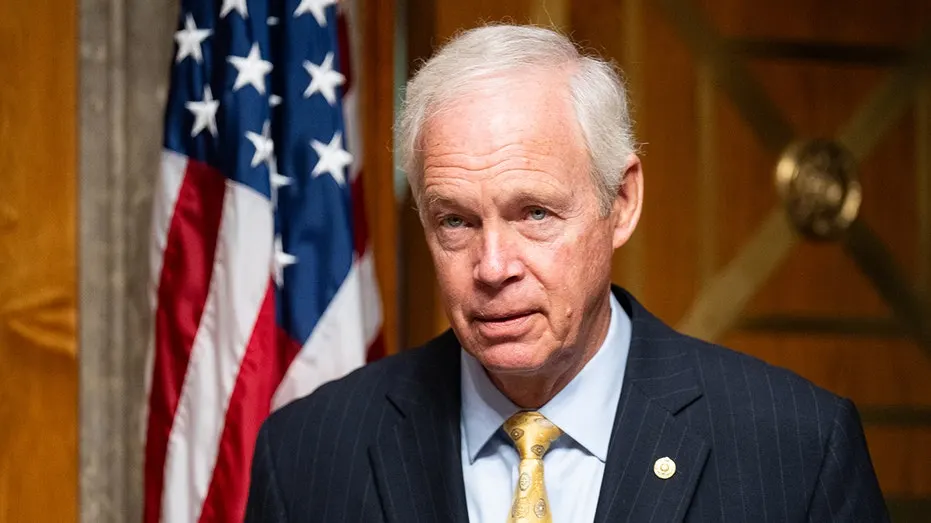
Republican Senator Ron Johnson of Wisconsin discussed his strategy for handling the Senate filibuster during an appearance on the conservative "Ruthless" podcast, while also weighing in on revelations from Dr Anthony Fauci's diary. The interview places Johnson among a number of Republican lawmakers and commentators reacting to newly disclosed material from Fauci's diary, which has drawn scrutiny over the former health official's relationships with journalists and his conduct during the Covid-19 pandemic.
The available article text is truncated before Johnson's specific filibuster proposals are detailed, though it confirms he addressed both the parliamentary tactic and the Fauci diary controversy in the same appearance. The wider context shows the Fauci diary story generating significant conservative media coverage, with other Republicans, including Robert F Kennedy Jr and Representative Tim Burchett, separately criticising Fauci over the diary's contents.
In short
- Sen Ron Johnson discussed Senate filibuster strategy on the "Ruthless" podcast
- He also commented on newly released Fauci diary revelations
- Story comes amid wider Republican scrutiny of Fauci's pandemic-era conduct
Explained simply
Dr Anthony Fauci was America's chief infectious disease official and became the public face of the government's response to the Covid-19 pandemic. Recent disclosures of his private diary entries have sparked fresh examination of his conduct and relationships with media figures during the health crisis.
Senator Ron Johnson, a Republican from Wisconsin, has been a vocal critic of Fauci's pandemic response and policies. His recent comments reflect broader Republican interest in scrutinising what they contend were problematic decisions made during the Covid-19 emergency.
The diary material has attracted significant attention in conservative political and media circles, with several Republican figures using it to revive criticism of Fauci's role in the pandemic. The controversy contributes to an ongoing debate over the government's handling of the health emergency.