World news and discussion on TalkFuse.
DNA cracks centuries-old murder mystery involving one of history’s most famous families
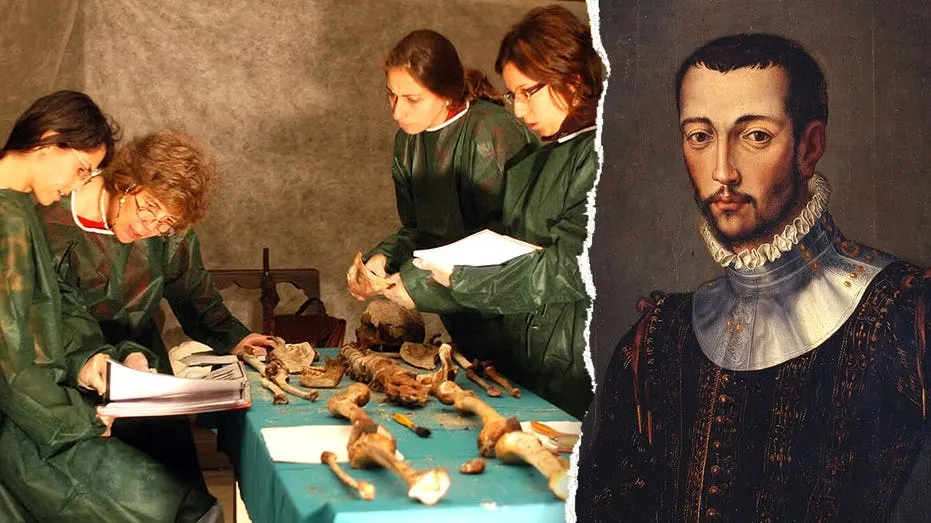
Researchers at Yale University say they have used ancient DNA analysis to resolve a centuries-old mystery surrounding the death of Grand Duke Francesco I de' Medici, ruler of Renaissance Tuscany, debunking long-standing rumours that he was poisoned. The findings, published in the journal iScience, matter because they overturn a theory that has persisted since the 16th century about one of Italy's most powerful and famous ruling families.
Francesco I de' Medici died suddenly in 1587, with his wife, Bianca Cappello, dying just a day later after both fell ill with intermittent fevers. Their near-simultaneous deaths, which followed a stay at a mosquito-infested villa, fuelled centuries of speculation that the couple had been murdered by poisoning, but the new genetic evidence points instead to a natural cause.
In short
- Yale scientists used ancient DNA to probe Medici ruler's 1587 death
- Findings challenge centuries-old poisoning theory about Francesco I de' Medici
- Study published in journal iScience points to a natural cause instead
Steelman: both sides, in good faith
The strongest fair case each way — we don't pick a winner.
The case for
This DNA analysis provides definitive scientific resolution. The genetic evidence clearly indicates natural causes—likely malaria acquired from the mosquito-infested villa—rather than poison, and this objective scientific method supersedes centuries of rumour and speculation. The conclusion is elegantly parsimonious: the couple fell ill with fever at a mosquito-laden location and succumbed to disease, a far more straightforward explanation than an unproven poisoning plot.
The case against
Historical mysteries cannot always be settled by a single genetic study. Centuries of contemporary accounts and poisoning allegations deserve serious weight, and whilst DNA evidence is valuable, it may not comprehensively exclude sophisticated or unusual toxins that would leave no clear genetic signature. The context of Renaissance Italy, where poison was a common tool, suggests that the suspicions of observers close to events merit credibility rather than dismissal by a single modern analysis.
Explained simply
The Medici family ruled Tuscany during the Renaissance and were amongst Europe's most powerful dynasties. Grand Duke Francesco I de' Medici was one of the family's most important rulers in the 16th century.
Francesco I died suddenly in 1587 whilst staying at a villa with his wife, Bianca Cappello, who fell ill at nearly the same time and died just a day later. Their near-simultaneous deaths sparked centuries of speculation that they had been murdered by poisoning.
This poisoning theory became deeply embedded in historical accounts and has persisted for over four hundred years. What actually happened to Francesco and Bianca has remained one of history's enduring mysteries.
Americas Paranormal Research Science Weird & Viral World