Culture news and discussion on TalkFuse.
“I wish I could do that”: A developer on The Sims has been eyeing up Paralives’ characters’ asymmetric shoes and their wider possibilities
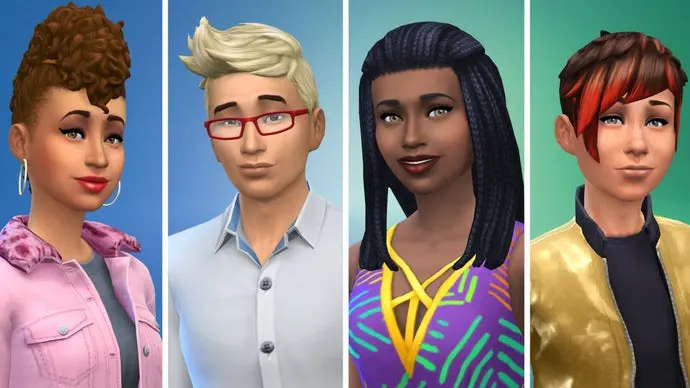
A senior character artist on The Sims, Jess Hyland, has praised rival life-simulation game Paralives for allowing characters to wear mismatched shoes and earrings, saying she wishes The Sims could do the same. Speaking at the Develop conference following a talk on how The Sims 4's character creator has evolved since 2014, Hyland noted that Paralives' underlying system also allows for features such as a single prosthetic leg without needing to replace both feet, something currently impossible in The Sims due to how its symmetrical character models are built.
Hyland explained that Sims characters are symmetrical by default, with asymmetry only introduced through non-mirrored items such as clothing, hairstyles or tattoos, meaning a prosthetic leg would require creating an entirely separate, non-interchangeable asset. She said such a change would be desirable but require significant work, and pointed to a precedent: in 2015, EA overhauled The Sims 4 to decouple gender presentation from clothing options, a difficult task involving two different base character meshes that was ultimately solved using an invisible "cummerbund" mesh to unify differing waistlines. Paralives entered Steam Early Access at the end of May.
In short
- Sims artist admires Paralives' asymmetric shoes and prosthetic leg support
- The Sims 4's symmetrical character models currently can't replicate this
- EA previously solved a similar mesh problem during 2015's gender update
Explained simply
The Sims is one of the world's most popular life simulation games, where players create virtual characters and guide them through everyday life. Paralives is a newer rival game that offers similar gameplay but uses different underlying technical systems for character creation.
The Sims' character system has been built around symmetrical character models since the game's creation, meaning characters are designed with matching left and right sides. This technical approach limits how players can customise their characters with asymmetrical items like mismatched shoes or earrings, and prevents representing certain physical variations like a single prosthetic limb.
Character customisation is central to The Sims' appeal, as players enjoy creating and personalising their virtual characters. Greater asymmetry options would allow for more diverse character designs, including the ability to represent physical disabilities, something increasingly requested by players.
Art Culture Entertainment Fashion Music Software Technology