Business news and discussion on TalkFuse.
Greens MP doubles down on her claim horse meat is being sold to Australians as beef and lamb mince because the government ‘isn’t taking food safety seriously’
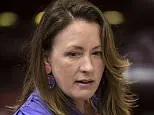
A New South Wales Greens MP, Abigail Boyd, has reiterated claims that horse meat is being fraudulently sold to Australian consumers labelled as beef or lamb mince, arguing the issue reflects a broader failure by government to take food safety and labelling standards seriously. The claim follows an ABC Four Corners investigation and has reignited debate in Australia over food fraud, supply chain oversight and the adequacy of testing and enforcement in the meat industry.
Boyd has stood by her earlier remarks despite pushback, framing the alleged mislabelling as evidence of weak regulatory oversight rather than an isolated incident. No further specifics from the underlying investigation, government response or industry reaction were included in the available article text.
In short
- Greens MP Abigail Boyd repeats claim horse meat sold as beef/lamb mince.
- Cites ABC Four Corners investigation into alleged food mislabelling.
- Says government isn't taking food safety seriously enough.
Steelman: both sides, in good faith
The strongest fair case each way — we don't pick a winner.
The case for
If an ABC investigation has uncovered evidence of horse meat being fraudulently sold as beef or lamb mince, this represents a serious breach of consumer trust and food safety standards. Consumers have a right to know what they are eating, and if regulatory testing and labelling enforcement are not catching such fraud, then the government's oversight mechanisms are evidently inadequate. The MP's criticism that the government is not taking food safety seriously is a fair response to what appears to be a systemic failure to protect consumers from deceptive and potentially unsafe practices in the meat supply chain.
The case against
Before concluding that government oversight is inadequate, it is important to establish whether this represents a widespread systemic problem or isolated instances of fraud. Food fraud occurs in regulated industries worldwide and some cases being caught does not necessarily prove the system has failed. The government and industry do maintain testing protocols and supply chain oversight, and the debate should focus on identifying specific regulatory gaps rather than making sweeping allegations of negligence. A more measured approach would examine what testing exists, what cases have been prevented, and what additional measures might be proportionate, rather than declaring the entire food safety regime a failure.
Explained simply
Horse meat has allegedly been fraudulently sold to Australian consumers packaged as beef or lamb mince. An ABC Four Corners investigation brought these allegations to public attention, raising concerns about the integrity of food labelling and meat industry oversight. If accurate, such mislabelling would mean shoppers could unknowingly purchase meat that is not what they intended to buy.
New South Wales Greens MP Abigail Boyd has been prominent in highlighting these concerns and arguing that they reflect inadequate government oversight of the meat industry. She maintains her position despite criticism, suggesting that weak regulatory enforcement may allow such fraud to occur.
The issue matters because food safety and accurate labelling are fundamental consumer protections. It also raises questions about whether existing testing and enforcement mechanisms in the meat industry are sufficient to detect and prevent such fraud.
Business Culture Food Government Markets Politics World