Deep space dishes dodge devastation from Spanish wildfires
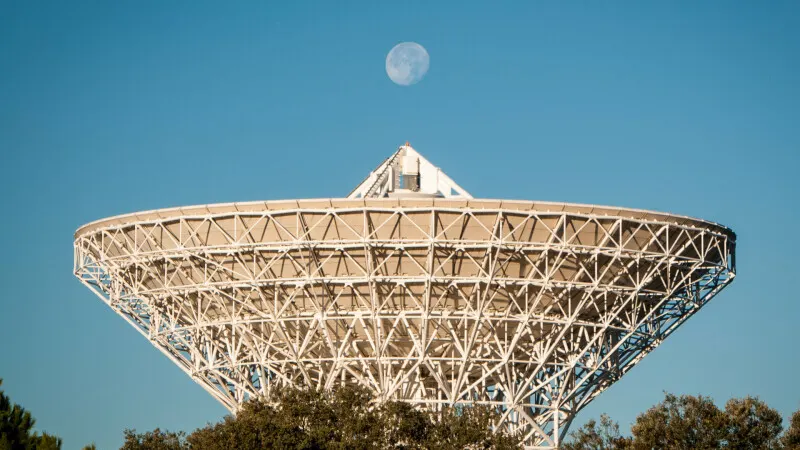
Wildfires in Spain have swept through the area around Madrid, threatening key deep-space communication facilities, but both NASA's and the European Space Agency's antennas have emerged largely unscathed. NASA confirmed no significant structural damage to antennas or buildings at its Madrid Deep Space Communications Complex, though a source told The Register that cables at the site had been burned. The facilities are critical to maintaining contact with spacecraft across the solar system, so any prolonged outage could have disrupted mission operations.
NASA said its Space Communications and Navigation Program had seamlessly shifted mission support to its other Deep Space Network sites in Goldstone, California, and Canberra, Australia, to ensure uninterrupted spacecraft communications. Nearby, ESA's Cebreros antenna, about 77km west of Madrid and also known as Deep Space Antenna 2, was declared "GREEN for nominal operations", according to ESA director general Josef Aschbacher. NASA's Madrid site includes the 70-metre DSS-63 dish, one of three such antennas worldwide alongside those at Goldstone and Canberra, all enlarged from 64 metres between 1982 and 1988 to support Voyager 2's Neptune flyby; the Goldstone dish remains under repair after a separate mishap last year, with work due to finish by October 2028.
- Spanish wildfires threatened NASA and ESA deep-space antennas near Madrid
- NASA reports only cable damage; no structural harm to dishes
- ESA's Cebreros station declared fully operational after the fires