Technology news and discussion on TalkFuse.
OpenAI CEO thinks the AI singularity is already upon us and that cracking down on it wouldn’t be good for humanity, because of course he does
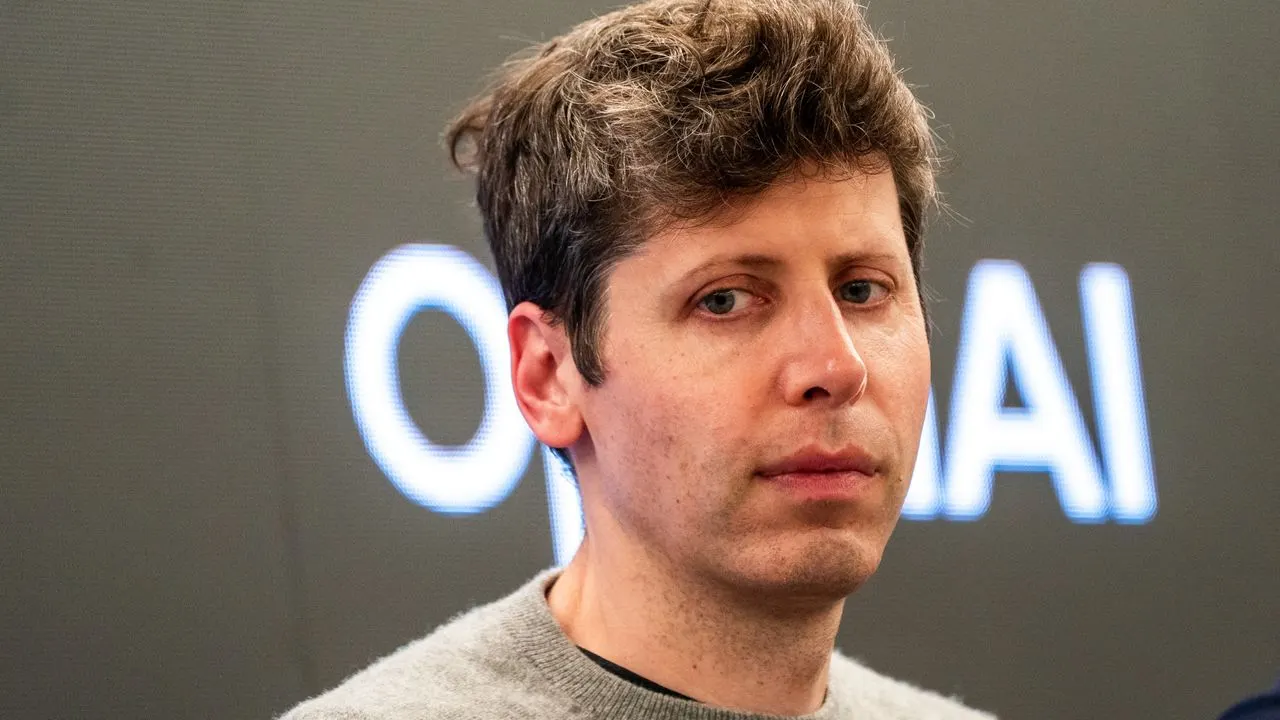
OpenAI chief executive Sam Altman has said he believes humanity is already entering the AI “singularity”, a period in which artificial intelligence accelerates technological and social change. He argued that attempts to halt or heavily suppress the technology could harm humanity by preventing it from gaining AI’s potential benefits, while acknowledging that adaptation will be difficult.
Altman described a feedback loop in which AI increasingly assists research and development, helping to create more capable systems and supporting further investment. His comments reflect a broader dispute over whether rapid AI development should be constrained by regulation and safety measures, with critics warning that the technology’s economic, political and security effects may outpace society’s ability to manage them.
In short
- Altman says the AI singularity has already begun.
- He warns against overly restrictive action on AI.
- Critics question whether society is prepared for rapid change.
Steelman: both sides, in good faith
The strongest fair case each way — we don't pick a winner.
The case for
Advocates contend that AI development offers transformative benefits—medical breakthroughs, climate solutions, scientific discovery—that could be substantially delayed by heavy regulation. They argue that responsible stewardship by capable organisations, combined with reasonable safety measures, enables progress and better risk management than suppression, which might shift development to less scrupulous actors.
The case against
Critics maintain that AI systems are advancing faster than society's institutions and safety mechanisms can accommodate, creating risks of economic disruption, political manipulation, and security vulnerabilities. They argue that deliberate constraints and international coordination are essential to ensure proper safety measures and alignment before systems become too powerful, serving long-term human interests better than unconstrained acceleration.
Explained simply
The AI singularity refers to a hypothetical moment when artificial intelligence becomes so advanced that it accelerates technological and social change in ways that become difficult for humans to control or predict. The concept features prominently in discussions about the future of AI, though experts disagree about whether it is realistic or when it might occur.
Sam Altman is the chief executive of OpenAI, a leading artificial intelligence company. He has stated his belief that humanity is already entering this period of accelerating AI-driven change and has argued that attempting to restrict or suppress AI development could harm humanity by denying it potential benefits.
There is an ongoing debate about how quickly AI should be allowed to develop and whether it should face stronger regulation and safety constraints. Some argue that rapid development will bring valuable applications, whilst others worry that the technology's effects on the economy, employment, politics and security may outpace society's ability to manage them safely.
AI Americas Business Companies Technology