World news and discussion on TalkFuse.
Republican Ohio governor says Trump’s plans to deport Haitians a ‘mistake’
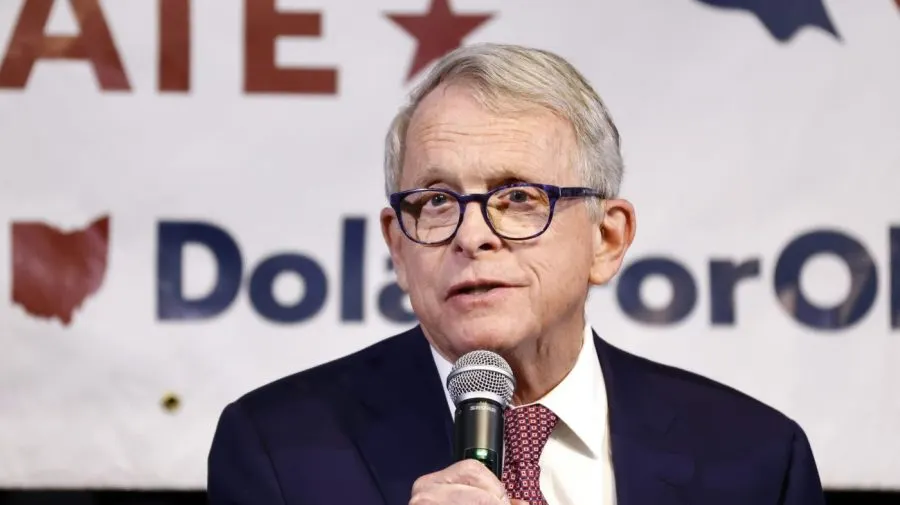
Ohio Governor Mike DeWine, a Republican, said Donald Trump would be making a mistake by deporting Haitians living in Ohio. His intervention highlighted a divide within the Republican Party over immigration, particularly because many Haitian migrants have become an important part of Springfield’s workforce and local economy.
Trump had called for Haitians in Springfield to be deported after false claims about migrants in the city became a national political issue. DeWine said the migrants had come legally under Temporary Protected Status and were working in factories and other local businesses; Springfield’s Haitian population has been estimated at roughly 15,000 to 20,000.
In short
- DeWine opposed deporting Haitians in Ohio.
- He said they are legally present and working.
- The dispute exposed Republican divisions on immigration.
Steelman: both sides, in good faith
The strongest fair case each way — we don't pick a winner.
The case for
These Haitians arrived legally under Temporary Protected Status and have become integral to Springfield's economy, working in factories and businesses throughout the community. Deporting them would disrupt essential local industries and workforce capacity without justified cause, since they are lawfully present and contributing meaningfully to the region.
The case against
Immigration enforcement must be applied consistently regardless of economic circumstances; Temporary Protected Status is inherently meant to be temporary, and permitting indefinite extensions undermines the integrity of the immigration system. Federal management of migration levels protects communities from rapid demographic change and ensures sustainable resource allocation rather than ad hoc labour market solutions.
Explained simply
Springfield, Ohio, is home to between 15,000 and 20,000 Haitian migrants. They arrived legally through Temporary Protected Status, a programme allowing people from countries facing humanitarian emergencies to live and work in America temporarily.
These migrants have become essential to Springfield's economy and workforce, working in factories and other businesses. Their presence has become closely tied to the area's economic functioning over recent years.
The situation became politically contentious after unverified claims about the migrants spread online and gained wider attention. This prompted calls for deportation from some political figures, including Donald Trump, sparking disagreement over immigration policy and the economic consequences of removing an established workforce.