World news and discussion on TalkFuse.
US walks out on France at UN meeting to protest human rights criticism
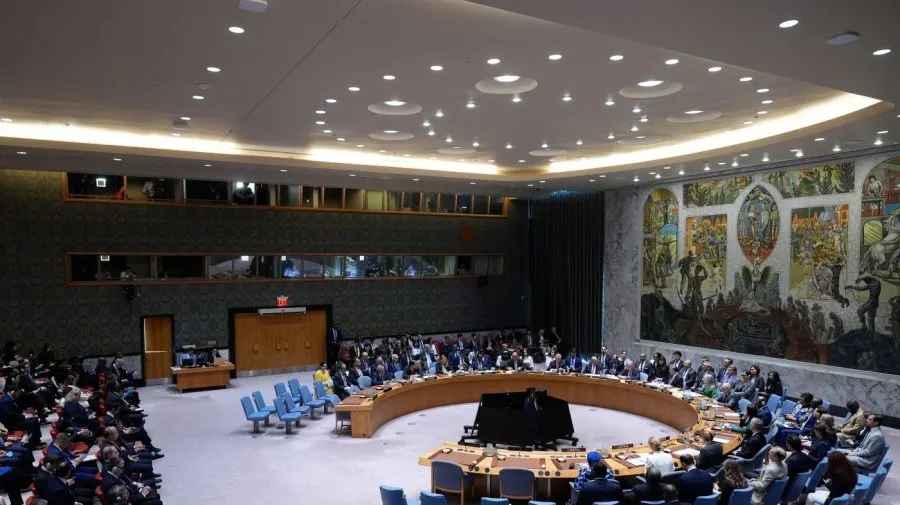
US diplomats briefly walked out of a UN Security Council meeting while France was speaking, after France criticised the Trump administration’s human rights record. The incident highlights a sharper public dispute between two close allies and wider strains between Washington and European governments over security and multilateral institutions.
The row followed the UN General Assembly’s 144–10 vote to reappoint human rights chief Volker Türk for four years; the US opposed the decision while France supported it. France’s UN mission said the US had become isolated on human rights, while US deputy ambassador Dan Negrea accused France of condescension; France’s ambassador did not directly address the walkout.
In short
- US diplomats walked out during France’s UN remarks.
- The dispute followed Volker Türk’s reappointment.
- The episode exposed wider US-European tensions.
Steelman: both sides, in good faith
The strongest fair case each way — we don't pick a winner.
The case for
Public accountability is essential for human rights progress, and allies have a particular responsibility to hold each other to scrutiny rather than maintain silence. The US's walkout suggests an unwillingness to engage with legitimate criticism and an expectation that its diplomatic importance exempts it from standards applied elsewhere. Raising human rights concerns openly reflects commitment to universal values that should transcend political convenience.
The case against
Serious disagreements between close allies are best resolved through private channels rather than public confrontation that damages relationships vital for global security cooperation. France's criticism appeared selective and performative rather than constructively meant; equating the US record with those of frankly authoritarian states misses important distinctions. The US opposition to Türk reflected principled institutional concerns independent of its own human rights commitment.
Explained simply
The United States and France are major allied nations that usually work together through international institutions. Recently, they have publicly disagreed over human rights standards and the role of the United Nations in promoting them. This tension is part of a wider strain between Washington and some European governments on security and the future of global institutions.
The disagreement arose over the reappointment of Volker Türk, who heads the UN's human rights office, for another four-year period. The UN General Assembly voted strongly in favour—144 countries supported him, with only 10 opposed—but the United States was among those who opposed it. France supported the reappointment, putting the two allies on opposite sides of the vote.
The situation matters because the United States and France are influential nations whose alignment or division can affect international cooperation more broadly. When such allies publicly disagree on questions of principle, it can strain their relationship and make future cooperation more complicated. The dispute highlights how different countries now view human rights and multilateral institutions, even among long-standing Western partners.
Americas Art Cricket Culture Elections Europe Geopolitics Politics Sport World