World news and discussion on TalkFuse.
Flock surveillance spreads across the South as red-state lawmakers seek to axe ‘1984’-style tracking tools
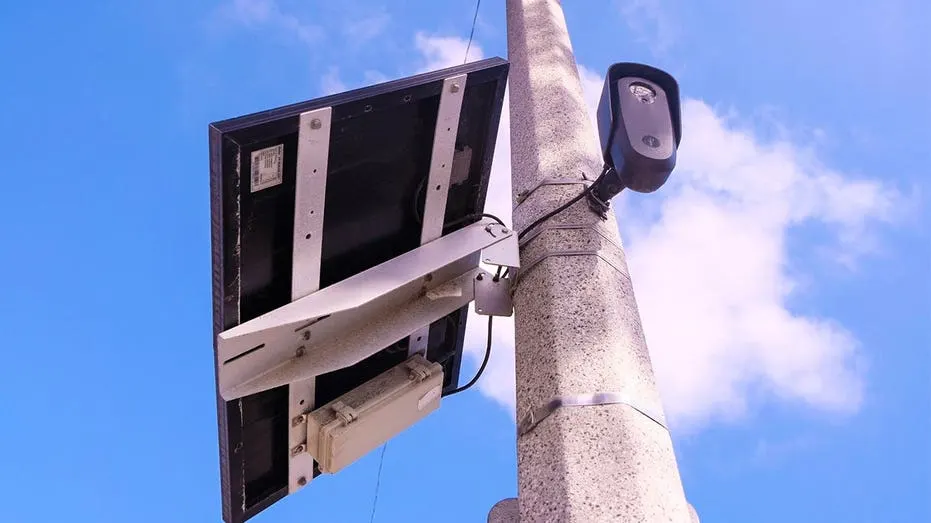
Members of the West Virginia Freedom Caucus are pushing to ban Flock Safety's AI-powered surveillance cameras statewide, arguing the automated licence plate readers breach citizens' Fourth Amendment right to privacy. The move reflects a growing backlash among conservative lawmakers in southern and Republican-led states against the spread of Flock's camera network, which they liken to the mass-surveillance vision of George Orwell's "1984".
The Freedom Caucus said it "strongly opposes the unchecked expansion of automated surveillance technologies, including Flock Safety camera systems, automated license plate readers (ALPRs), AI-powered" tracking tools, framing the systems as a threat to civil liberties despite their use by police for public safety purposes such as tracking stolen vehicles and suspects. The controversy taps into a wider national debate, highlighted by commentary from a former FBI special agent, over whether such technology should be treated as a legitimate crime-fighting tool or as unchecked government surveillance of ordinary citizens.
In short
- West Virginia Freedom Caucus seeks statewide ban on Flock surveillance cameras.
- Lawmakers cite Fourth Amendment privacy concerns over licence plate readers.
- Part of wider red-state pushback against AI surveillance expansion.
Steelman: both sides, in good faith
The strongest fair case each way — we don't pick a winner.
The case for
Law enforcement and public safety advocates contend that automated licence plate readers are legitimate, effective crime-fighting tools that significantly aid investigations into vehicle thefts and serious crimes, whilst helping apprehend dangerous suspects more efficiently. They argue that drivers have diminished privacy expectations regarding vehicle registration information visible in public spaces, and that deploying such technology with appropriate departmental oversight represents a reasonable balancing of civil liberties with genuine public safety needs.
The case against
Civil liberties advocates and conservative lawmakers argue that automated surveillance systems represent an unprecedented and unwarranted expansion of government monitoring that threatens Fourth Amendment protections. They contend that normalising mass collection of movement data transforms innocent travel into government-tracked activity, and that permitting such infrastructure—regardless of current safeguards—establishes a precedent for totalitarian-style surveillance that future governments or agencies could readily abuse.
Explained simply
Flock Safety operates networks of cameras equipped with artificial intelligence that automatically read and record vehicle licence plates. Police departments use the system to identify stolen vehicles and track cars connected to crimes by comparing plates against databases.
Conservative lawmakers, particularly in southern and Republican-led states, argue that expanding licence plate reader networks amount to unconstitutional mass surveillance. They contend the technology threatens citizens' Fourth Amendment right to privacy and compare it to the totalitarian surveillance state imagined in George Orwell's novel "1984".
The controversy reflects a nationwide disagreement about surveillance technology's place in law enforcement. Supporters say the cameras effectively prevent crime and recover stolen vehicles, whilst critics warn the systems enable governments to track ordinary citizens without adequate legal limitations or public consent.
Americas Culture Fashion World