Entertainment news and discussion on TalkFuse.
Alice Coltrane’s Ashram Tapes Are Finally Getting Released
Developed over time first seen 4 months ago
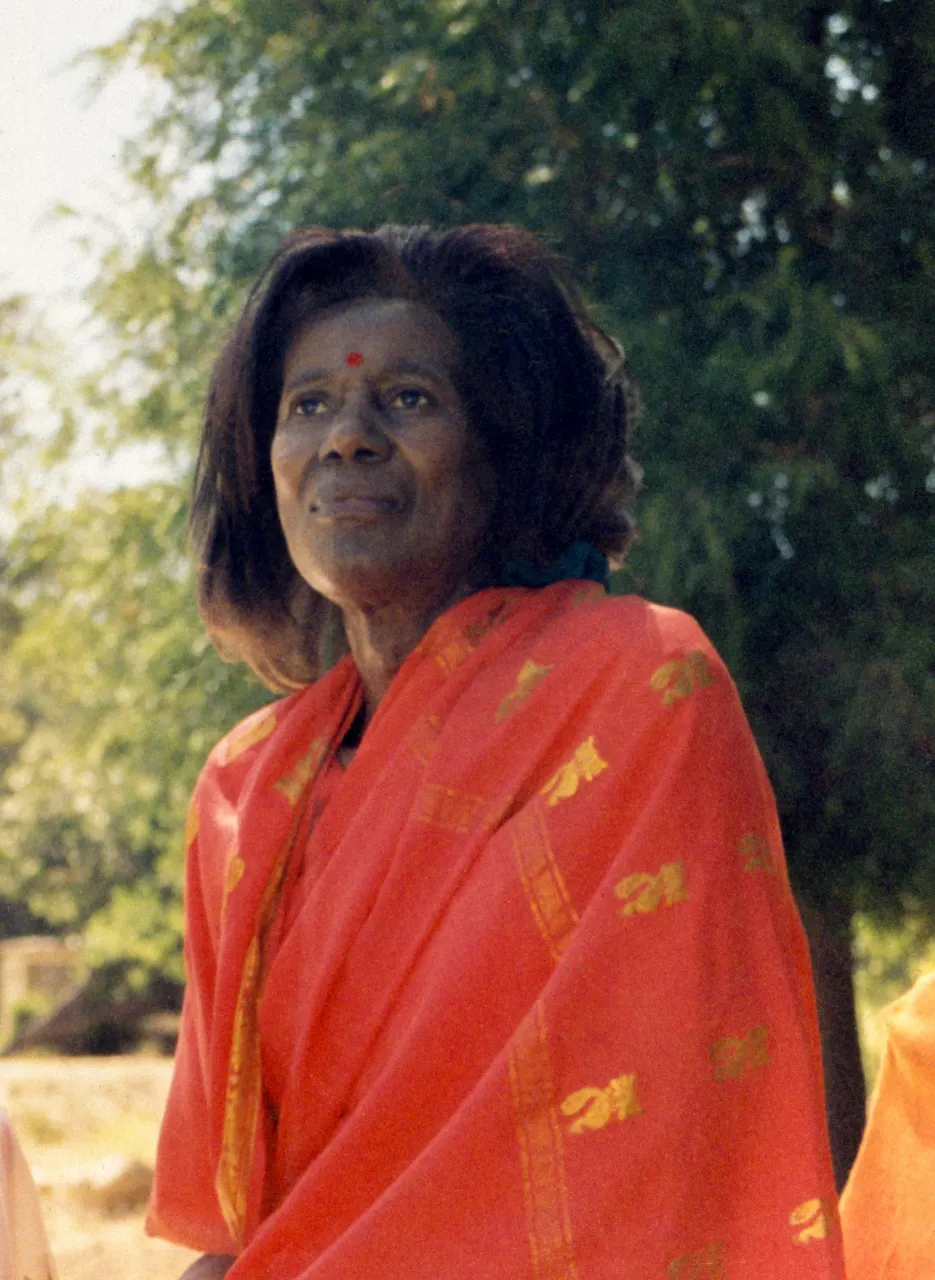
Alice Coltrane's previously unreleased "ashram tapes" have been confirmed for official release by Matador Records, the first authorised commercial issue of these recordings. The four albums—Turiya Sings, Divine Songs, Infinite Chants, and Glorious Chants—were made at the late jazz musician's Californian ashram in the 1980s and 1990s and originally circulated only as cassettes among ashram members, making this a notable moment for admirers and scholars of her spiritual and musical legacy.
The recordings fuse jazz with new age, gospel and electronic influences, and Matador will put out full mixes with the original artwork across all formats, though a release date has still not been set. Some tracks had previously appeared in altered or partial form, including on the 2017 compilation The Ecstatic Music of Alice Coltrane Turiyasangitananda and a 2021 Impulse! edition of Turiya Sings that stripped out the synths. Alice Coltrane's daughter, Michelle Coltrane, described the music as reflecting her mother's pursuit of "devotion, transcendence, and spiritual elevation."
- Sources
- 2
- Outlets
- 2
- Left · Centre · Right
- 0 · 0 · 0
In short
- Matador Records to release Alice Coltrane's unheard ashram tapes for the first time
- Four albums from her 1980s-90s Californian ashram, previously cassette-only
- No release date yet; earlier partial/altered versions appeared in 2017 and 2021
How this story developed
- 4 months ago Alice Coltrane's previously unreleased "ashram tapes" are set to be officially issued by Matador Records, marking the first authorised commercial release of these recordings.
- 4 months ago Alice Coltrane's previously unreleased "ashram tapes" have been confirmed for official release by Matador Records, the first authorised commercial issue of these recordings.
Steelman: both sides, in good faith
The strongest fair case each way — we don't pick a winner.
The case for
These recordings represent a significant and previously inaccessible portion of Alice Coltrane's artistic legacy, and their release through Matador Records, authorised by her daughter, honours her innovations in fusing spiritual devotion with avant-garde music. Making them widely available serves important artistic and scholarly purposes, allowing musicians and seekers to engage with her complete body of work and ensuring that her contributions to both jazz and spiritual music are properly documented and preserved for future generations.
The case against
These recordings were created as devotional music within a private spiritual community, and their restricted circulation to ashram members likely reflected Alice Coltrane's intentions for how this sacred work should exist. Releasing them commercially risks commodifying spiritual practice, extracting deeply meaningful music from its intended context and transforming it into a consumer product rather than a tool for the kind of devotion and transcendence that animated their creation.
Explained simply
Alice Coltrane was an American jazz pianist and harpist who, after her career alongside husband John Coltrane, turned increasingly to spirituality. In the 1970s she founded a Vedantic ashram in California, taking the name Turiyasangitananda, and continued making music there for decades, blending jazz with devotional chant and new age sounds.
Much of this later music was never sold commercially. Instead, Coltrane recorded albums for use within the ashram itself, distributing them privately on cassette to followers rather than releasing them through record labels. This meant that, for years, only a small circle of people had access to some of her most personal work, with fragments occasionally reaching wider audiences through later reissues and compilations.
Coltrane died in 2007, and interest in her spiritual recordings has grown since, partly carried forward by her family, including her daughter Michelle Coltrane. The recordings' move toward an official, widely available release matters because it offers a fuller picture of an artist whose devotional work has, until now, been only partially and unevenly accessible to the public.