Trump administration to ramp up global anti-China funding, documents show
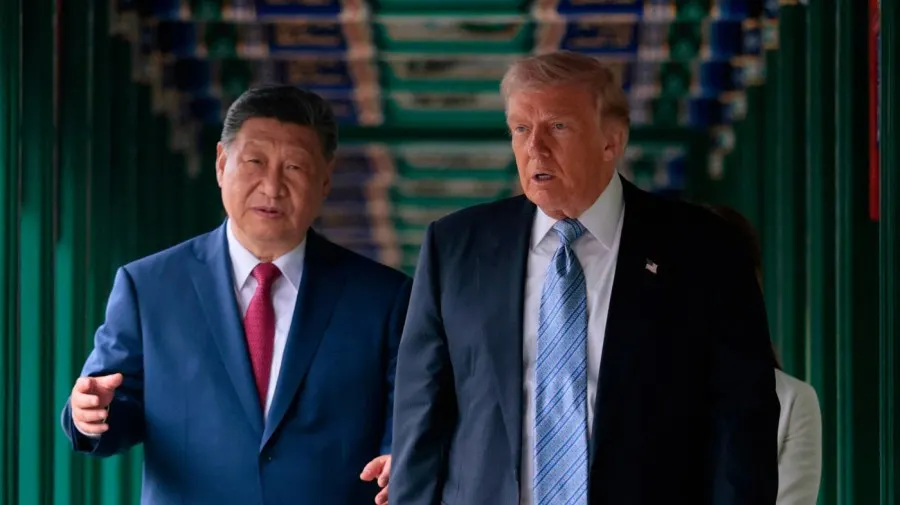
The article text was unavailable because access to the page was denied, so its claims cannot be reliably summarised. Based solely on the headline, it appears to concern plans by the Trump administration to increase overseas funding intended to counter China’s influence.
No supporting documents, figures, countries, agencies or policy details were provided in the accessible text. Any further description would risk adding information not contained in the article.
In short
- Article content was inaccessible.
- Headline indicates increased anti-China funding.
- No details can be verified.
Steelman: both sides, in good faith
The strongest fair case each way — we don't pick a winner.
The case for
Those supporting increased anti-China funding argue that as China expands its economic and geopolitical influence through initiatives like the Belt and Road programme, the United States must invest strategically in countering this through diplomatic, economic and security partnerships. They view this as protecting democratic values, maintaining a rules-based international order, and ensuring stable competition rather than allowing authoritarian systems to expand unchecked globally. Supporting allies and regional partners through targeted funding, they contend, represents a cost-effective way to preserve American influence and prevent destabilisation that could prove far more costly later.
The case against
Those opposing increased anti-China funding argue that such measures risk escalating international tensions and provoking a counterproductive arms race that could harm global stability. They question whether such spending represents the most effective use of resources, suggesting that domestic priorities—healthcare, infrastructure, education—deserve greater investment, and that engagement and dialogue might achieve better outcomes than funding proxy competitions. Additionally, they worry that backing certain regimes simply to counter China could compromise democratic principles and create unintended strategic complications.
Explained simply
The United States and China are rival powers competing for influence around the world. This competition spans economics, technology, military matters, and diplomacy. The US has long sought to maintain its international standing whilst limiting China's growing role globally.
Anti-China funding typically refers to money spent by the US government to support activities that counter Chinese influence in other countries. This might include supporting alternative infrastructure projects, trade initiatives, or diplomatic efforts in regions where China has been expanding its reach and economic involvement.
This reflects a strategic choice by the Trump administration about how to manage its relationship with China. Increased spending on such efforts signals a more assertive approach to this competition and suggests the administration views Chinese influence as a significant challenge that requires greater resources to address.
Asia Government Politics World