Entertainment news and discussion on TalkFuse.
Sega’s Dreamcast retro console is still getting new games 25 years after it was abandoned
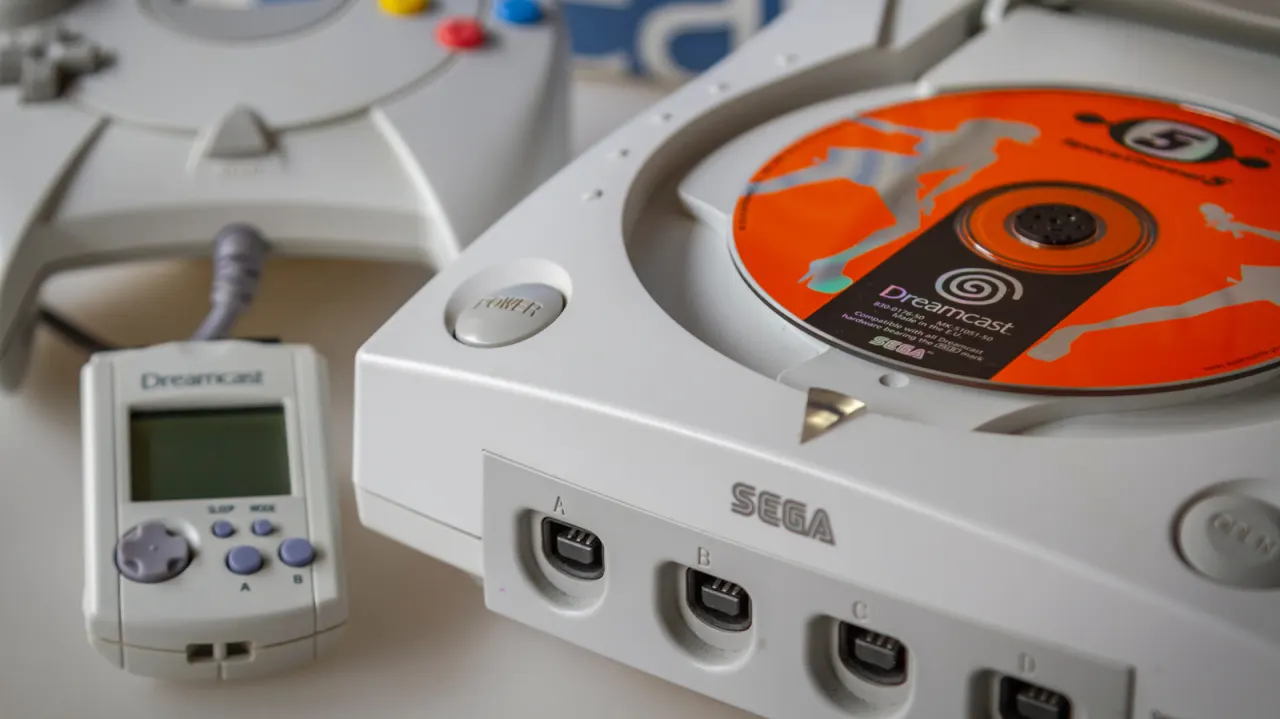
More than 25 years after Sega discontinued the Dreamcast in March 2001, independent developers are still creating brand-new games for the console, keeping its ecosystem alive long after its manufacturer walked away. This matters as a rare example of gaming preservation driven almost entirely by fans and hobbyists, made possible because Sega built the console without tying critical functions to systems it could later shut down remotely.
The latest example is White Creek, a survival-horror game announced on Kickstarter in June 2026 by developer Story Bird Studios and publisher PixelHeart, in which an exorcist investigates a haunted town using psychic powers, firearms and a phone; though also headed to Steam, it is being built specifically to exploit the Dreamcast's hardware. The console, launched in Japan in 1998, was notable as the first with a built-in modem and online play, and introduced titles such as Sonic Adventure, Shenmue and Phantasy Star Online before Sega abandoned consoles altogether following the PS2's success. Its GD-ROM format was easily bypassed to run standard CDs, enabling a thriving homebrew scene supported by publishers such as PixelHeart and JoshProd, plus fan sites like The Dreamcast Junkyard and an active Reddit community.
In short
- Dreamcast still gets new indie games 25 years after discontinuation.
- White Creek, a new survival-horror title, was crowdfunded for it in June.
- Fans and small studios keep the 1998 console's ecosystem alive.
Explained simply
The Dreamcast was a gaming console released by Sega in 1998 and discontinued in 2001, after Sony's rival PlayStation 2 proved more popular. The console was notable for being the first to support online gaming, a significant innovation at the time.
Independent developers are still making new games for the Dreamcast today, more than 25 years after Sega stopped manufacturing it. This happens because Sega did not design the console to depend on online services that the company could shut down, allowing it to remain fully functional without any manufacturer support.
The console's technical design also made it relatively simple for hobbyists to create and distribute their own games. This fostered a community of dedicated fans and small publishers who continue to release new titles, demonstrating how hardware that is not overly restricted by manufacturers can have a lasting life.