Culture news and discussion on TalkFuse.
More than 12,000 pounds of bacon recalled after USDA issues highest-risk alert
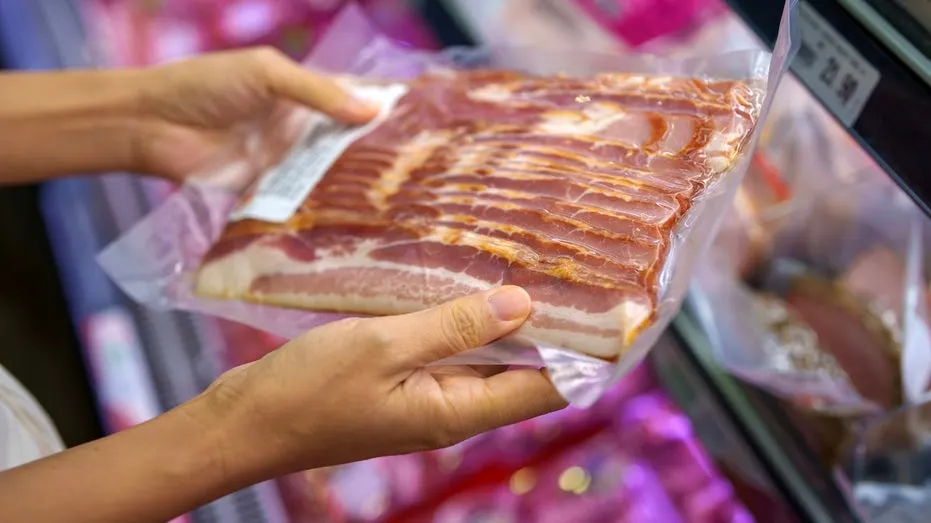
More than 12,000 pounds of imported smoked bacon have been recalled after the US Department of Agriculture issued a Class I alert, its highest-risk classification. The product, made by Maple Leaf Foods and distributed to grocery retailers in Idaho, Oregon and Washington, was pulled because it had been imported from Canada without undergoing the required US import inspection.
The recall was announced on 24 July via the USDA's Food Safety and Inspection Service, covering not-ready-to-eat bacon manufactured at a facility in Lisle, Illinois. Fox News Digital said it had contacted Maple Leaf Foods for comment. No illnesses have been reported in connection with the product.
In short
- USDA recalls 12,000+ lbs of Maple Leaf Foods bacon under highest-risk alert
- Cause: bacon imported from Canada skipped required US inspection
- Affected states: Idaho, Oregon and Washington
Steelman: both sides, in good faith
The strongest fair case each way — we don't pick a winner.
The case for
The recall appropriately prioritises public safety by enforcing import inspection requirements that exist to identify unknown risks. When regulatory safeguards are circumvented, even unintentionally, the potential hazards become unverifiable and cannot be ignored. A Class I classification correctly reflects that uninspected food imports pose an indeterminate threat to consumers, regardless of whether illnesses have manifested yet, and removing them protects the integrity of food safety systems.
The case against
The absence of reported illnesses after the product was already distributed suggests the actual risk may be overstated by a highest-risk alert. The import violation appears procedural rather than indicating genuine contamination or mishandling. Proportionate regulation should distinguish between regulatory non-compliance and demonstrated food safety dangers, and substantial recalls for procedural breaches may consume resources better directed towards foods with documented health impacts.
Explained simply
Food recalls happen when products are found to pose a health risk to consumers. Governments issue recalls to remove unsafe food from supermarkets before it causes illness. The severity of the risk determines how urgently authorities must act and how widely the alert is publicised.
A Class I alert is the United States Department of Agriculture's highest-risk designation for unsafe food products. Products given this alert level are deemed to pose a serious threat to human health. When food receives a Class I alert, it triggers an immediate and comprehensive removal from retailers.
This recall involves imported food that did not pass the mandatory US safety inspections required for all products entering the country. Import inspection requirements ensure that foreign-made goods meet American food safety standards. Any breach of these requirements raises concerns about how effectively imported foods are monitored for safety.