Politics news and discussion on TalkFuse.
5 takeaways on Fauci’s diaries during COVID-19 response
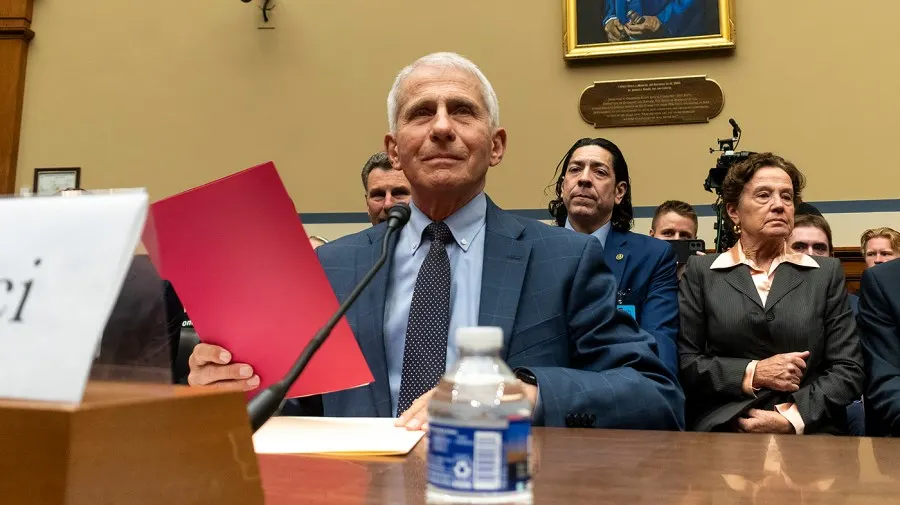
– Senator Rand Paul released thousands of Anthony Fauci’s diary entries from December 2019 to December 2022, offering a behind-the-scenes record of the US COVID-19 response. The material has renewed political scrutiny of Fauci’s role in pandemic policy, public messaging and debate over the virus’s origins.
– The entries suggest Fauci encouraged New York City’s mayor to close schools, bars and restaurants in March 2020, despite later saying he had not been responsible for lockdowns. They also record his disputes with Donald Trump, extensive media activity, and continuing arguments with Paul over NIH-linked research and the laboratory-leak hypothesis. Fauci was the longtime head of the National Institute of Allergy and Infectious Diseases and left government in December 2022.
In short
- Fauci’s diaries have reopened scrutiny of pandemic decision-making.
- Entries describe advice on early New York closures.
- They cover Trump disputes and COVID-origin debates.
Steelman: both sides, in good faith
The strongest fair case each way — we don't pick a winner.
The case for
The diaries reveal that Fauci was more directly involved in proposing specific lockdown measures than he has publicly acknowledged, creating a credibility gap between his earlier denials of responsibility and documented evidence of advocacy. Public health officials must be accountable for their policy influence during a crisis, and transparency about the extent of their involvement in major decisions affecting millions of lives is essential for democratic oversight and evaluating whether such guidance was justified.
The case against
Offering medical expertise and recommendations to elected officials is fundamentally different from bearing responsibility for policy decisions they ultimately make; Fauci's role was to provide scientific advice during an unprecedented emergency, which is precisely what health officials are supposed to do. Diary entries require proper context to interpret fairly, and selective excerpts released by a long-standing political rival may distort his reasoning, the evidence he was addressing, and the institutional constraints he faced.
Explained simply
Anthony Fauci was the longtime director of the US National Institute of Allergy and Infectious Diseases and became a central figure in the American government's response to COVID-19 before leaving office in December 2022. Senator Rand Paul has released thousands of diary entries that Fauci wrote between December 2019 and December 2022, providing an insider's account of key decisions and developments during the pandemic response.
The diaries have drawn fresh political attention to several contentious aspects of Fauci's role during the pandemic, including questions about his involvement in lockdown policies, his dealings with then-president Donald Trump, and disagreements over the origins of the virus. The entries suggest Fauci encouraged New York's mayor to close schools, bars and restaurants in March 2020, although he has previously stated he was not responsible for lockdown decisions.
These personal records provide direct insight into how pandemic decisions were made and debated during a critical period in America's response. The diary entries touch on issues that remain politically disputed, including the virus's origins and the government's pandemic strategy.